
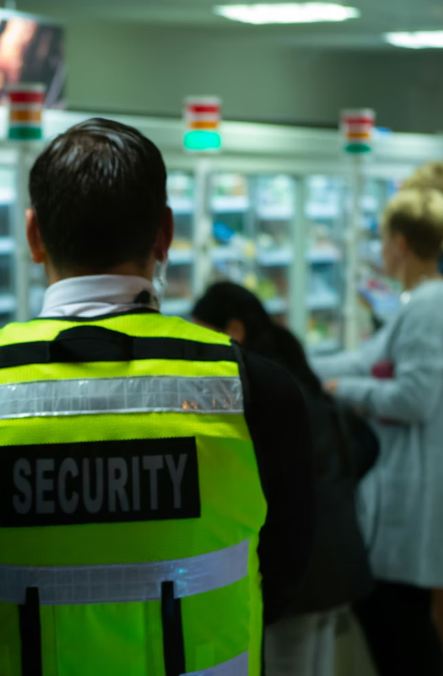
Retail stores are most vulnerable when doors are locked, staff have left, and visibility is limited. Overnight hours present prime opportunities for break-ins, vandalism, and internal theft, particularly when premises rely solely on physical locks or passive alarms. For retailers, effective retail overnight monitoring is essential to protecting stock, reducing losses, and ensuring business continuity. By combining intelligent CCTV setups, responsive alarm systems, and structured guard alerts, stores can remain protected even when unoccupied.

Why Retail Stores Face Higher Risk After Closing Time
Once a store closes, the absence of staff removes the most immediate deterrent to criminal activity. Break-ins often occur overnight because response times may be slower, and suspicious activity can go unnoticed without active supervision.
Retailers also face risks beyond forced entry. Internal theft, delivery-area tampering, and opportunistic vandalism frequently occur when visibility is low. Remote monitoring addresses these vulnerabilities by maintaining real-time oversight and enabling swift intervention before damage escalates.
Setting Up CCTV Systems for Effective Overnight Coverage
CCTV is the foundation of any remote monitoring strategy, but effectiveness depends on thoughtful placement and configuration. Cameras should cover all external entry points, stockrooms, tills, loading bays, and blind spots such as rear alleys or shared corridors.
Image quality is critical during low-light conditions. Infrared or low-light cameras ensure clear footage even in complete darkness. Internal cameras should be positioned to monitor high-value areas without infringing on privacy or compliance requirements.
When combined with trained CCTV monitoring guards, live feeds become an active security tool rather than a passive recording system.

Using Motion Detection and Smart Alerts
Modern CCTV systems offer motion detection, line-crossing alerts, and zone-based triggers. These features reduce unnecessary monitoring by flagging only relevant activity, such as movement near doors or within restricted areas.
Smart alerts allow monitoring teams to assess incidents in real time and determine whether activity is legitimate or suspicious. This prevents false alarms from escalating while ensuring genuine threats receive immediate attention. For retailers, this balance is crucial in maintaining effective retail overnight monitoring without disruption.
Alarm Responses and Escalation Protocols
Alarms remain an important component of retail security, but their value lies in how they are managed. Uncoordinated alarms can lead to delayed responses or repeated false activations that reduce effectiveness.
A structured alarm response protocol ensures alerts are verified through CCTV before escalation. Once confirmed, appropriate actions can include notifying keyholders, dispatching mobile patrols, or contacting emergency services. This layered response minimises unnecessary call-outs while ensuring real threats are handled decisively.
Guard Alerts and Human Oversight
Remote monitoring works best when supported by human judgment. Guard alerts allow trained personnel to interpret footage, identify patterns, and respond appropriately to evolving situations.
Human oversight is particularly valuable for detecting suspicious behaviour that automated systems may miss, such as loitering or repeated perimeter checks. This proactive approach mirrors best practices used in retail security, where prevention is prioritised over reaction.

Integrating Monitoring with Physical Security Measures
Remote monitoring should complement, not replace, physical security measures. Strong doors, secure shutters, lighting, and access controls all enhance the effectiveness of CCTV and alarms.
Lighting plays a critical role overnight, as well-lit areas reduce concealment and improve camera visibility. Regular maintenance checks ensure cameras remain unobstructed and systems function as intended. Together, these measures create a cohesive security environment rather than isolated defences.
Reviewing and Adapting Overnight Security Strategies
Retail environments change over time. New stock lines, layout adjustments, or extended opening hours all affect risk profiles. Regular reviews of camera coverage, alert thresholds, and response protocols ensure security measures remain aligned with current operations.
Retailers should assess incident reports and monitoring data to identify trends and refine strategies. This adaptability is key to sustaining long-term protection and reducing overnight losses.
Securing Your Store After Hours
At Adler Security, we understand that protecting retail stores overnight requires more than cameras alone — it demands active oversight, intelligent response, and consistent coordination. We provide tailored solutions that combine remote monitoring, alarm verification, and trained personnel to help retailers safeguard their premises after hours. Our services include CCTV monitoring guards in Manchester, manned guarding, and licensed security guards, supporting retail operations across London, Birmingham, Leeds, Liverpool, Sheffield, Coventry, Leicester, Bristol, and Northamptonshire. What sets us apart is our ability to integrate technology with human judgment, ensuring incidents are identified early and handled professionally. To discuss your specific needs and explore how we can help strengthen overnight protection for your retail stores, call us now or reach out to our team today.