
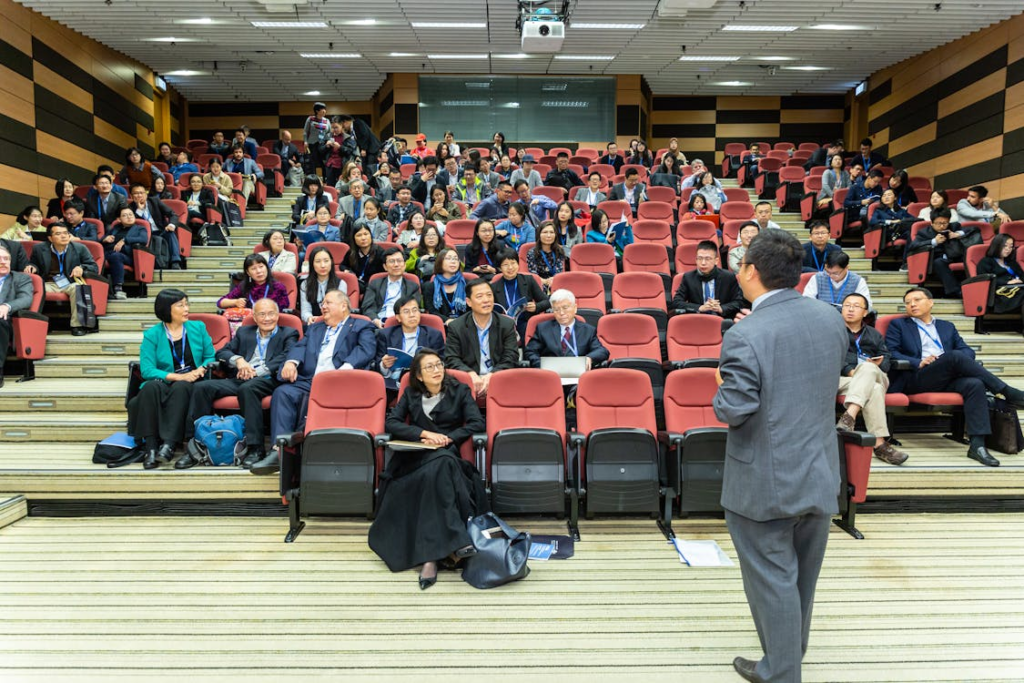
A strong event security plan starts with a simple question: What happens when the people become the main security challenge, rather than the building itself?
A busy event can change within seconds. In fact, around 30% of workplace injuries are associated with slips, trips and falls, showing how quickly seemingly ordinary situations can create safety concerns.
For us, effective planning means looking beyond doors, walls and equipment. People, movement, behaviour and potential incidents must all be considered. This article looks at the key elements that should shape a people-focused event security plan.
Start With How People Will Move
A venue may have secure doors and clearly marked exits, but those measures only work properly when crowd movement has been considered.
Before an event begins, we need to think about:
- Where people will arrive and queue
- How quickly entrances can become congested
- Where attendees will gather between activities
- How people will move towards exits
- Which areas could become difficult to access during an incident
- Whether different groups will follow separate routes
Crowd movement is rarely uniform. People may stop suddenly, change direction, gather around an attraction, or rush towards a particular area. A good security plan accounts for these changes rather than assuming everyone will move according to the original layout.
Entrances Need More Than a Guard at the Door
Entrances are often treated as simple checkpoints. In reality, they can become pressure points.
We should consider the entire arrival process, including:
- Queuing:Long or poorly organised queues can create frustration and make it harder to identify unusual behaviour.
- Access checks:Ticketing, accreditation and bag checks should be organised without creating unnecessary bottlenecks.
- Staff positioning:Security personnel need clear visibility and enough room to respond.
- Emergency access:Routes for emergency responders must remain usable.
- Exit awareness:Security planning should account for people leaving as well as arriving.
The objective is not simply to control entry. It is to maintain an orderly flow while remaining alert to what is happening around the entrance.
Staff Are Part of the Security Picture
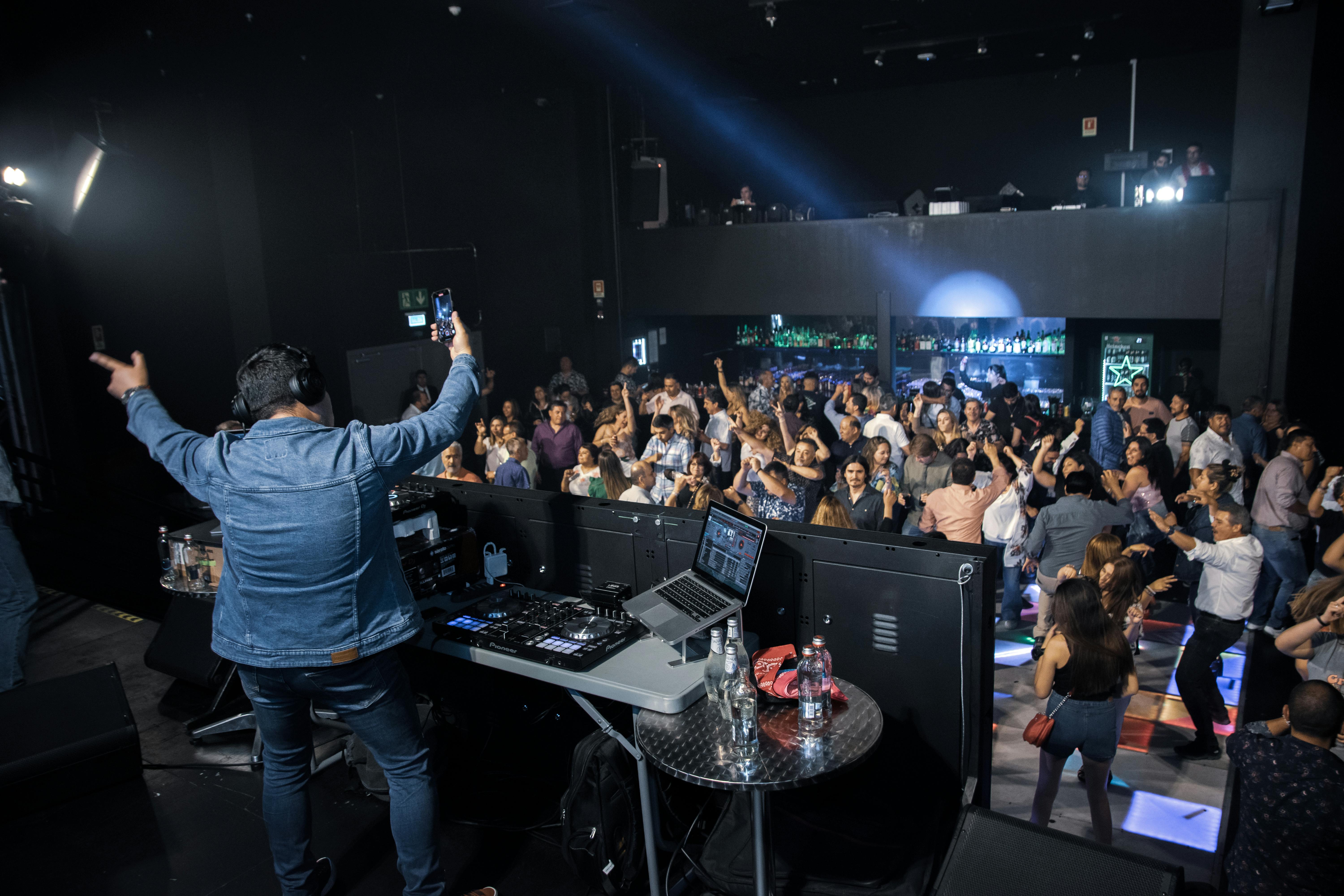
Event workers often know the venue better than anyone else. They know where equipment is stored, which doors are normally used, and where operational problems are likely to occur.
That knowledge can support security planning, but only when responsibilities are clear.
Staff should understand:
- Who to contact when something feels wrong
- How suspicious behaviour should be reported
- Which areas are restricted
- What to do if an attendee becomes aggressive
- Where emergency exits and assembly points are located
- How security personnel and event management will communicate
Clear communication reduces confusion when something unexpected happens. It also prevents staff from taking unnecessary risks because they are unsure who should deal with a situation.
Identify Vulnerable Areas Before Attendees Arrive
Every event has areas that deserve additional attention. These may not always be the most obvious locations.
Consider spaces such as:
- Back-of-house areas
- Staff-only entrances
- Storage rooms
- Cash-handling points
- Performer or speaker access routes
- Parking areas
- Loading zones
- Isolated corridors and stairways
The right approach depends on the event itself. A family gathering, concert, sporting event, and corporate function can create very different risks.
This is where planning must remain connected to the actual people and activities expected at the venue.
Prepare for Behaviour, Not Just Incidents
Security planning can become too focused on specific incidents. Yet many problems begin with behaviour that appears minor at first.
A disagreement may become an argument. An argument may attract a crowd. A crowded area can then make it harder for staff to respond safely.
We therefore need to consider how situations could develop.
Useful questions include:
- What behaviour might indicate a developing problem?
- Where could an argument attract other attendees?
- Which areas would be difficult to clear?
- How can vulnerable people receive assistance?
- What happens if an attendee refuses to follow instructions?
- Who has authority to make decisions during an incident?
This approach encourages earlier recognition and more controlled responses.
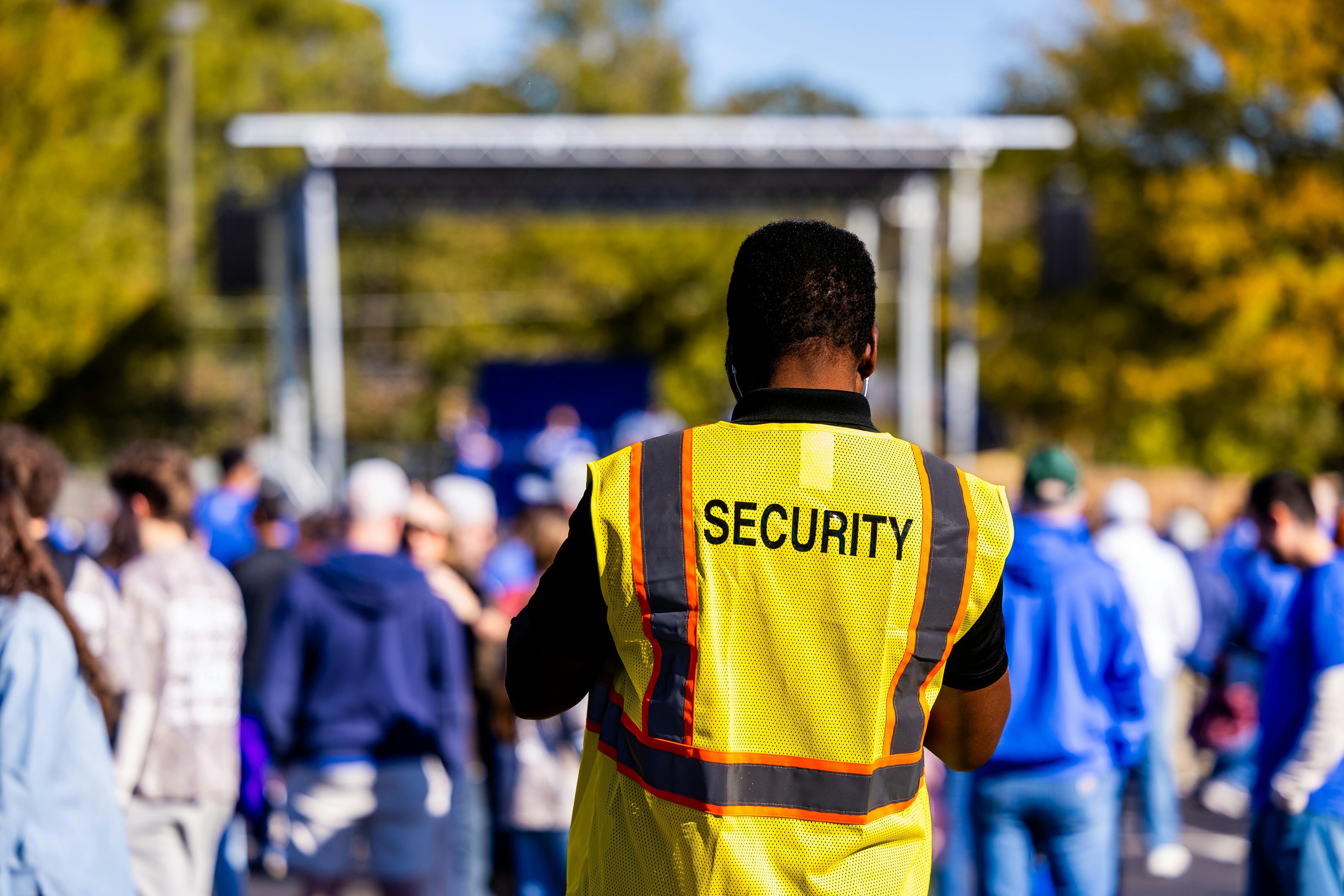
Put People at the Centre of the Plan
What makes an event feel secure when hundreds or thousands of people are moving through one space?
It is not simply strong doors, cameras or barriers. Effective planning considers how people arrive, behave, communicate, gather and respond when circumstances change.
For events requiring professional support, we provide event security with a people-focused approach that considers crowd behaviour, access points, vulnerable areas and potential incidents. Our wider experience also supports organisations looking for security guard services in Leicester, while our event-focused planning can be adapted to different venues and audiences.
If your event requires experienced security planning and reliable on-site support, contact Adler Security. Our approach is centered on practical preparation, clear communication and professional personnel, helping you create a safer environment for attendees, staff and everyone responsible for delivering the event.