
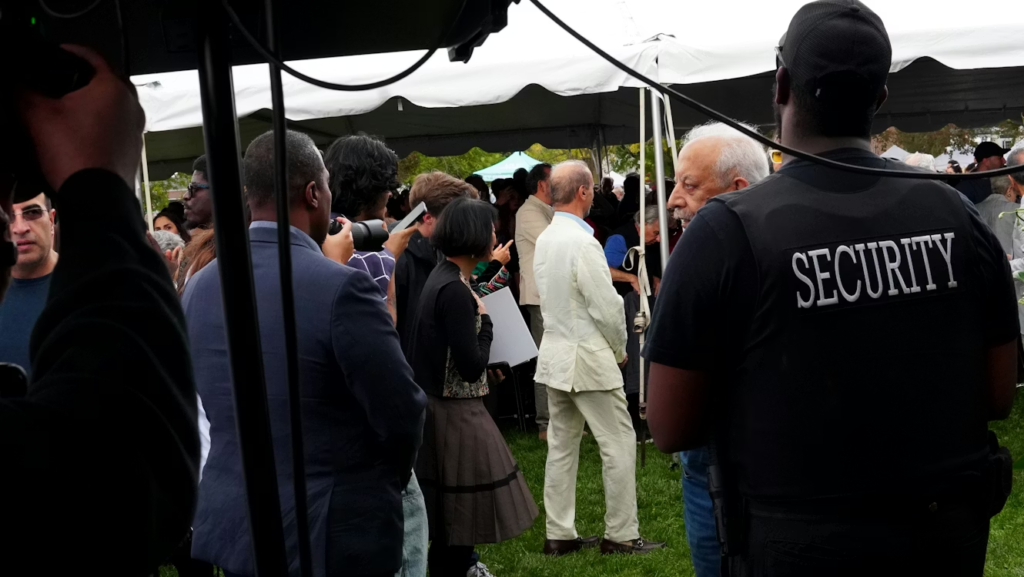
Whether it is a music festival, community celebration, sporting fixture, charity fundraiser, trade exhibition, or seasonal market, public events bring people together for shared experiences. Yet every successful event depends on more than entertainment, organisation, and planning. It also depends on safety.
Millions of people attend public events each year, creating significant challenges related to crowd management, emergency response, and public safety. A single disturbance can quickly affect hundreds or even thousands of attendees. This is why professional security teams have become an essential part of modern event planning.
When organisers want attendees to feel comfortable, protected, and supported throughout an event, experienced security personnel help make that possible. Their presence helps reduce risks, maintain order, and provide reassurance to both organisers and visitors.
In this article, we will discuss how event security professionals contribute to safer public gatherings, how they support attendees, and why their role extends far beyond simply standing at entrances.
Why Public Event Safety Matters More Than Ever
Public events bring together people from different backgrounds, age groups, and communities. While most gatherings proceed without major issues, the reality is that any event involving large crowds carries potential risks.
These risks may include:
- Unauthorised access
- Anti-social behaviour
- Lost children or vulnerable adults
- Medical emergencies
- Crowd congestion
- Property damage
- Theft
- Public disorder
- Emergency evacuations
- Suspicious activity
Without proper planning and oversight, even minor incidents can escalate quickly.
The goal of security personnel is not simply to react when problems occur. Their role is to identify potential concerns before they become larger issues and to support the smooth running of the event from beginning to end.
The Growing Importance of Professional Event Security

Modern events are often larger, more complex, and more diverse than those held in previous decades.
Many gatherings include:
- Multiple entry points
- Temporary structures
- Food and drink vendors
- Entertainment stages
- VIP areas
- Parking facilities
- Family zones
- High attendee numbers
Each area presents its own security considerations.
Professional event security guards in Bristol and other major cities are trained to manage these challenges while maintaining a welcoming environment for guests.
Their work helps organisers strike a balance between accessibility and safety, allowing attendees to enjoy the event without feeling restricted.
Creating a Visible Sense of Safety
One of the most immediate benefits security personnel provide is visibility.
People naturally feel more comfortable when they know trained professionals are present and available to help if needed.
Visible security teams can:
- Deter disruptive behaviour
- Discourage theft
- Prevent unauthorised access
- Reassure attendees
- Assist visitors seeking information
- Support staff and vendors
A strong security presence often prevents incidents from occurring in the first place.
When individuals recognise that trained personnel are monitoring the event, they are less likely to engage in behaviour that could threaten public safety.
This contributes directly to creating safe public experiences for everyone attending.
Managing Crowd Movement Effectively
Crowd management is one of the most important responsibilities assigned to event security teams.
Large gatherings can create bottlenecks and congestion that increase safety risks.
Security personnel help by:
Monitoring Crowd Density
Security teams continuously observe attendee movement throughout the venue.
This allows them to identify:
- Overcrowded areas
- Congested walkways
- Restricted exits
- Potential hazards
Early intervention often prevents situations from becoming dangerous.
Directing Foot Traffic
Professional teams guide attendees towards:
- Entry points
- Exit routes
- Toilets
- First aid stations
- Designated event zones
Clear direction reduces confusion and improves attendee flow.
Supporting Emergency Evacuations
If an evacuation becomes necessary, trained personnel help maintain calm and guide attendees safely from the venue.
Their ability to communicate clearly and manage large groups can significantly improve emergency response efforts.
Preventing Unauthorised Access

Most events contain areas that require restricted access.
Examples include:
- Staff-only locations
- Technical control areas
- Performer facilities
- Equipment storage spaces
- VIP sections
Security teams ensure only authorised individuals enter these locations.
This protects:
- Staff members
- Attendees
- Performers
- Equipment
- Event operations
Access control measures also help maintain accountability throughout the event.
Responding Quickly to Incidents
Even with careful planning, unexpected situations can occur.
The speed of response often determines whether a minor issue remains manageable or develops into a larger problem.
Professional security teams are trained to respond to:
- Disputes
- Aggressive behaviour
- Theft allegations
- Lost persons
- Medical incidents
- Property damage
- Safety concerns
Their role includes assessing the situation, taking appropriate action, and coordinating with emergency services when necessary.
Rapid intervention helps minimise disruption and protect attendees.
Assisting Attendees Throughout the Event
Many people assume security personnel focus solely on enforcement.
In reality, much of their work involves customer service and public assistance.
Attendees frequently approach security staff for help with:
- Directions
- Lost property
- Missing companions
- Accessibility support
- Venue information
- Safety concerns
Security personnel are often among the most visible members of an event team.
Their willingness to assist visitors contributes significantly to positive attendee experiences.
Supporting Families and Vulnerable Individuals
Large public gatherings can be challenging for families with children, elderly visitors, and individuals with additional support needs.
Security teams play an important role in helping these attendees remain safe and comfortable.
Responsibilities may include:
- Assisting lost children
- Supporting family reunification procedures
- Helping vulnerable individuals find assistance
- Coordinating with event organisers
- Contacting emergency services when required
These actions help maintain confidence among attendees and improve the overall event atmosphere.
Working Alongside Emergency Services
Event security personnel often serve as a vital communication link between organisers and emergency responders.
They provide valuable support before, during, and after incidents.
This cooperation may involve:
- Sharing information
- Monitoring safety concerns
- Securing incident areas
- Managing crowd movement
- Supporting evacuation efforts
Because security teams are already positioned throughout the venue, they can provide real-time information that helps emergency services respond more effectively.
Protecting Event Staff and Vendors
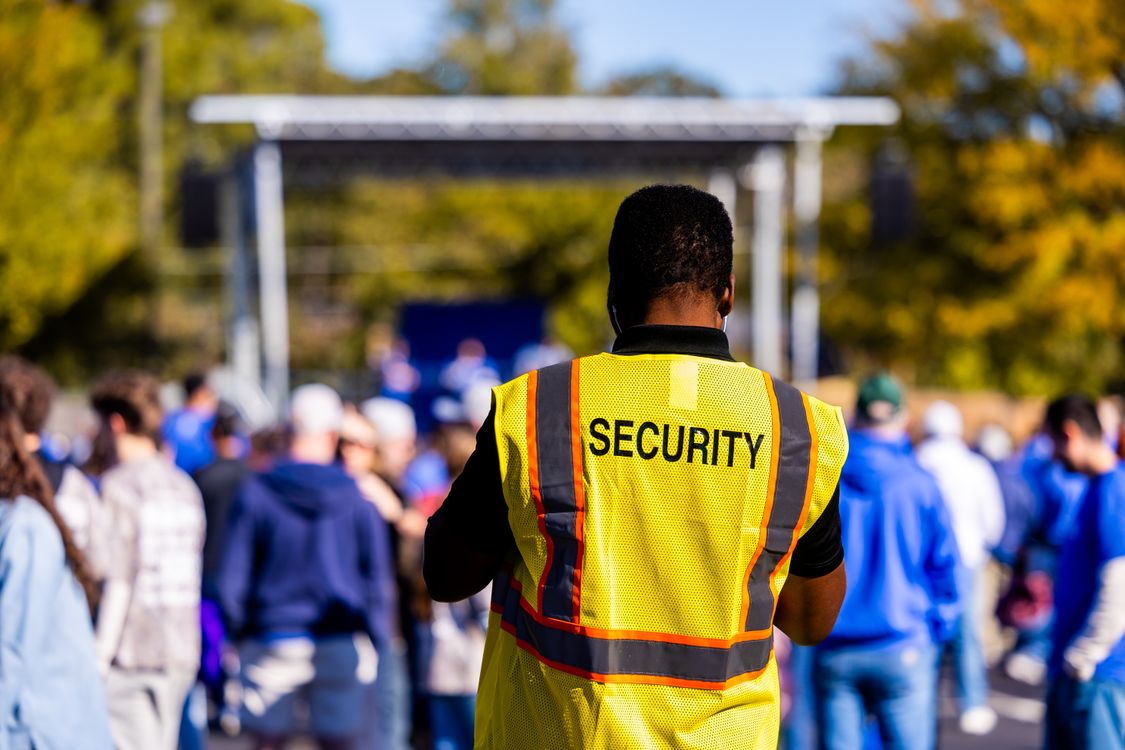
Public events involve more than attendees.
Staff members, volunteers, performers, exhibitors, and vendors also require protection.
Security teams help by:
- Monitoring restricted areas
- Preventing unauthorised access
- Responding to workplace conflicts
- Protecting valuable equipment
- Assisting during closing procedures
These measures support operational continuity and reduce disruption.
The Role of Communication in Event Security
Communication is one of the most effective tools available to security personnel.
Successful event security relies on clear communication with:
- Attendees
- Event organisers
- Venue management
- Emergency services
- Vendors
- Staff members
Strong communication allows teams to identify concerns quickly and coordinate responses efficiently.
It also helps attendees feel informed and supported.
Risk Assessment and Proactive Security Planning
Many people only notice security personnel during an event.
However, much of their work begins long before attendees arrive.
Professional teams typically assess:
- Venue layout
- Crowd capacity
- Entry and exit points
- Emergency access routes
- Historical incident data
- Potential security vulnerabilities
These assessments help identify risks and establish appropriate safety measures.
This proactive approach contributes significantly to safe public experiences.
Handling High Attendance Events
Some events attract exceptionally large crowds.
Examples include:
- Major festivals
- Concerts
- Sporting competitions
- Public celebrations
- Cultural events
Large attendance numbers increase the need for coordinated security operations.
Professional event security guards in Bristol are often tasked with helping organisers maintain control during busy events while preserving a welcoming environment.
Their presence helps prevent overcrowding, manage queues, and maintain order throughout the venue.
Reducing Anti-Social Behaviour
Anti-social behaviour can affect attendee enjoyment and create safety concerns.
Examples include:
- Verbal abuse
- Intoxicated behaviour
- Aggression
- Disorderly conduct
- Harassment
Security personnel help identify these behaviours early and take appropriate action.
Prompt intervention helps protect attendees while preventing situations from escalating further.
The Value of Licensed Security Professionals

Professional training and licensing standards help ensure security personnel are prepared for real-world situations.
Licensed security guards in Bristol and across the UK receive training that covers:
- Conflict management
- Emergency procedures
- Public safety
- Communication skills
- Risk awareness
- Legal responsibilities
This training helps them respond professionally and consistently under pressure.
For event organisers, qualified personnel provide confidence that security operations are being managed responsibly.
Learning From Other Security Environments
Many security professionals gain experience across different sectors before working at public events.
For example, those involved in retail security in Bristol often develop skills related to observation, incident reporting, conflict management, and theft prevention.
These transferable skills can enhance event operations by helping personnel identify unusual behaviour and respond appropriately.
Similarly, experience in manned guarding in Bristol can provide valuable knowledge regarding site protection, access control, and public interaction.
This broad background often strengthens overall event security performance.
Building Trust Between Organisers and Attendees
Trust plays a significant role in event success.
Attendees want to feel confident that organisers have considered their safety.
Security teams contribute to this trust by:
- Remaining visible
- Acting professionally
- Providing assistance
- Responding quickly
- Communicating clearly
When visitors feel secure, they are more likely to enjoy the event, participate in activities, and return in the future.
Technology and Human Security Working Together
Modern events increasingly use technology to support safety objectives.
Examples include:
- CCTV systems
- Access control systems
- Radio communications
- Incident reporting platforms
- Monitoring equipment
While technology can provide valuable information, human judgement remains essential.
Security personnel interpret information, assess risks, and make decisions based on real-world conditions.
The combination of technology and trained professionals creates a stronger safety framework.
What Attendees Often Do Not See
Many aspects of event security occur behind the scenes.
These responsibilities may include:
- Venue inspections
- Security briefings
- Coordination meetings
- Incident documentation
- Emergency planning
- Post-event reviews
Although attendees rarely witness this work directly, it contributes significantly to overall event safety.
The smooth running of an event often reflects the effectiveness of preparation undertaken before doors open.
How Effective Security Improves the Overall Event Experience

The benefits of professional security extend beyond risk reduction.
Effective security operations can improve:
- Attendee confidence
- Event reputation
- Organisational efficiency
- Staff wellbeing
- Vendor satisfaction
- Public trust
When security functions effectively, attendees are free to focus on enjoying the event rather than worrying about potential concerns.
This positive environment benefits everyone involved.
What Makes People Feel Safe at Public Events?
When we attend a concert, festival, exhibition, community celebration, or sporting event, what helps us relax and enjoy the occasion? Often, it is the knowledge that experienced professionals are working behind the scenes and throughout the venue to keep everything running smoothly.
Security teams contribute far more than enforcement. They help manage crowds, assist visitors, respond to incidents, support emergency procedures, and create an environment where attendees feel comfortable and protected. Their presence plays a significant role in delivering safe public experiences that organisers and visitors alike can appreciate.
For organisers seeking dependable security guard services in Bristol, working with an experienced provider can help strengthen event safety from planning through to completion. Adler Security supplies professional personnel who understand the demands of public events and the importance of maintaining a safe, welcoming atmosphere.
Contact Adler Security to learn how experienced security professionals can help support your next event and provide greater peace of mind for organisers, staff, and attendees alike.