

What would happen to your retail business if a significant portion of your stock quietly disappeared each month without explanation?
Retail loss is not always loud or obvious. Sometimes it happens in small, repeated actions that gradually affect profits, staff morale, and long-term stability. In the UK, retail shrinkage continues to cost businesses each year, driven by theft, fraud, and operational gaps. For busy retail environments, even minor lapses in oversight can quickly add up to major financial setbacks.
This is where professional security support becomes essential. With the presence of trained personnel, retailers gain not only a visible deterrent but also a structured approach to loss prevention that blends vigilance, customer interaction, and operational awareness.
At Adler Security, we provide experienced and fully trained personnel who understand the challenges faced by modern retailers.
In this article, we break down how security guards contribute to reducing retail losses, from theft prevention and staff support to surveillance and emergency response, while highlighting practical strategies used on the shop floor.
Understanding Retail Loss and Why It Happens
Retail loss, often called shrinkage, refers to the difference between what should be in stock and what is actually available when checks are carried out. While theft is usually the first thing that comes to mind, the reality is that losses build up through several smaller issues happening at the same time. When these are not managed properly, even a well-running store can see steady profit erosion.
For retailers, the challenge is that shrinkage rarely comes from a single cause. It is usually a mix of human behaviour, process gaps, and operational weaknesses that go unnoticed during day-to-day trading.
Common Causes of Retail Loss
Retail losses tend to fall into a few main categories, each with its own patterns and risks.
Shoplifting
Shoplifting remains one of the most visible and disruptive causes of loss. It can range from opportunistic individuals taking small items to coordinated groups targeting higher-value stock.
In many cases, shoplifters rely on distraction techniques or simply take advantage of busy periods when staff attention is divided. Items that are easy to conceal or quickly resell are usually targeted first. Over time, repeated incidents can force businesses to increase prices or absorb the loss internally.
This is also the area where security presence makes the most immediate difference, as visible monitoring often stops attempts before they even begin.
Employee Theft
Internal theft is often more complex to identify because it happens within trusted access points. It can involve a range of behaviours such as:
- Taking stock without proper recording
- Manipulating discounts or returns
- Removing small quantities of goods repeatedly to avoid detection
- Irregular cash handling or voided transactions
Unlike shoplifting, these losses are not always obvious in real time. They often appear during stock audits or financial reviews, making prevention far more important than detection after the fact. Strong oversight and consistent monitoring are key in reducing these risks.
Administrative Errors
Not all losses are intentional. Many arise from simple mistakes in daily operations. These can include:
- Incorrect pricing entered at checkout
- Mislabelled or miscounted stock during deliveries
- Data entry mistakes in inventory systems
- Failure to record damaged or returned items correctly
Even small errors repeated over time can create noticeable gaps in stock records. High-traffic retail environments are particularly vulnerable because staff are often working quickly under pressure, increasing the likelihood of oversight.
Supplier Fraud
Supplier-related issues are less common but can still have a significant impact. This might involve:
- Deliveries not matching purchase orders
- Short shipments that go unnoticed
- Poor-quality stock supplied instead of agreed items
Because these problems occur outside the store, they are harder to detect without strong receiving procedures. Regular checks during deliveries and accurate documentation are essential to reduce this type of loss.
Damage and Waste
Losses are not always caused by theft or error. A portion of shrinkage comes from products becoming unsellable due to:
- Poor handling during stocking or movement
- Damage on the shop floor
- Incorrect storage conditions
- Expired or outdated products
In busy retail settings, especially those dealing with fragile or perishable goods, damage can accumulate quickly if processes are not followed consistently.
The Visible Deterrent Effect
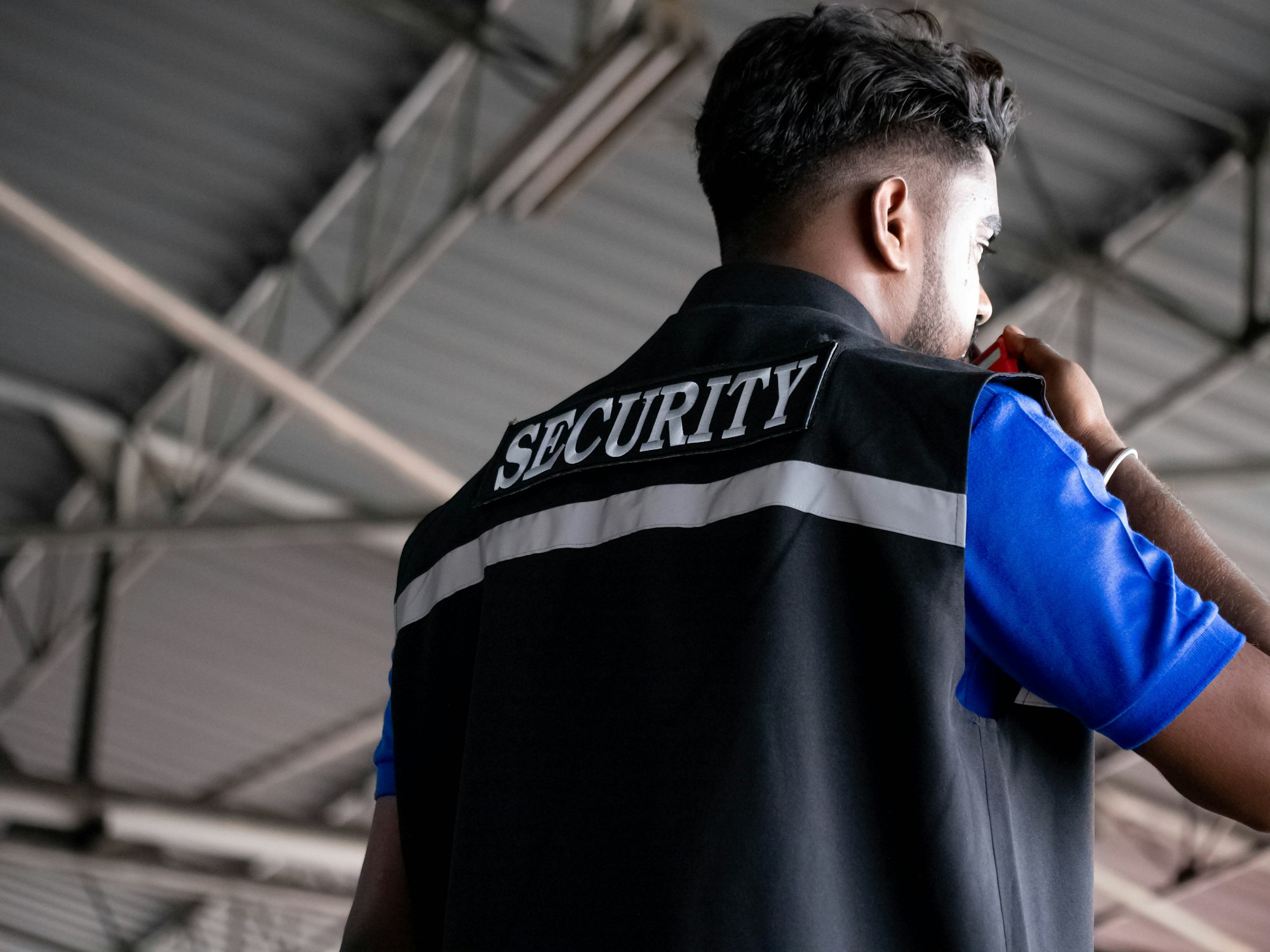
One of the most immediate benefits of having security personnel present in retail spaces is deterrence.
Why Visibility Matters
When individuals enter a store, they quickly assess the environment. A visible guard changes behaviour instantly. It signals that:
- The premises are actively monitored
- Suspicious behaviour will be noticed
- Intervention is likely if wrongdoing occurs
This psychological effect alone can prevent a large number of opportunistic theft attempts.
Positioning for Maximum Impact
Effective security teams do not stand randomly. Their positioning is strategic:
- Near entrances and exits to monitor foot traffic
- Close to high-value product areas
- Within clear sightlines of key store sections
By placing guards where they are most visible, retailers increase deterrence without needing constant intervention.
Active Surveillance and Behaviour Monitoring
While visibility discourages theft, active observation helps identify it before it escalates.
Recognising Suspicious Behaviour
Experienced guards are trained to notice patterns that may indicate theft, such as:
- Frequent movement between aisles without purchasing
- Concealing items in bags or clothing
- Avoiding eye contact or staff interaction
- Entering in groups and splitting up
These signs may seem subtle, but when combined, they often point to intent.
Continuous Floor Monitoring
Security guards do not rely solely on cameras. They actively move through the store, allowing them to:
- Observe blind spots not covered by CCTV
- Respond quickly to unusual activity
- Maintain a consistent presence across all areas
This approach ensures that no part of the store becomes an easy target.
Supporting CCTV and Technology Systems
Modern retail environments rely heavily on surveillance systems, but technology alone is not enough.
The Human Element in Surveillance
CCTV cameras can capture footage, but they cannot act on it in real time without human input. Security guards enhance these systems by:
- Monitoring live feeds
- Identifying suspicious activity quickly
- Coordinating responses on the shop floor
Without trained personnel, even the most advanced systems lose effectiveness.
Bridging Gaps in Coverage
Even well-installed systems have limitations:
- Blind spots
- Technical failures
- Delayed response times
Security guards fill these gaps by physically covering areas where cameras cannot provide full visibility.
Preventing Organised Retail Crime
Retail theft is not always carried out by individuals acting alone. Organised groups often target stores with specific tactics.
Common Tactics Used by Groups
- Distracting staff while others steal
- Rapidly clearing shelves of high-value items
- Using tools to remove security tags
- Coordinated entry and exit strategies
How Security Guards Counter These Tactics
Trained personnel are equipped to:
- Identify group behaviour patterns
- Communicate with team members quickly
- Intervene before theft is completed
- Alert authorities when needed
Their presence disrupts the planning and execution of organised theft, making the store a less attractive target.
Reducing Internal Theft

Employee-related losses can be more difficult to detect than shoplifting, but they are equally damaging.
Why Internal Theft Happens
Common reasons include:
- Lack of supervision
- Weak internal controls
- Opportunity without accountability
The Role of Security Guards
Security personnel help reduce internal risks by:
- Monitoring staff areas discreetly
- Overseeing stock handling processes
- Supporting management during audits
- Acting as a neutral presence during investigations
This creates a culture of accountability without creating unnecessary tension among staff.
Managing High-Risk Periods
Retail environments experience peak times when losses are more likely to occur.
High-Risk Situations
- Seasonal sales periods
- Holiday shopping rushes
- Promotional events
- Late-night trading hours
Enhanced Security During Busy Times
During these periods, guards:
- Increase floor patrol frequency
- Focus on high-traffic areas
- Assist with crowd control
- Monitor entry and exit points closely
Retailers who invest in strong security during peak times often see a noticeable reduction in losses.
Customer Interaction and Presence
Security guards are not only observers. Their interaction with customers plays an important role in loss prevention.
Creating a Controlled Environment
A professional guard:
- Greets customers at entry points
- Maintains a calm and approachable presence
- Offers assistance when needed
This level of engagement reduces anonymity, making it harder for individuals to act without being noticed.
Balancing Authority and Approachability
The best guards strike a balance:
- Firm enough to deter wrongdoing
- Approachable enough to maintain a positive shopping experience
This balance is key to maintaining both security and customer satisfaction.
Responding to Incidents Effectively
Despite preventive measures, incidents can still occur. The difference lies in how quickly and effectively they are handled.
Immediate Response
When suspicious activity is detected, guards can:
- Approach individuals calmly
- De-escalate situations
- Prevent theft from escalating
- Recover stolen goods where possible
Coordination with Authorities
In more serious cases, security personnel:
- Contact local authorities
- Provide detailed incident reports
- Preserve evidence for investigation
Their training ensures that responses are controlled and lawful.
Protecting High-Value Merchandise
Certain items are more likely to be targeted due to their resale value.
Examples of High-Risk Products
- Electronics
- Designer clothing
- Cosmetics
- Alcohol
Focused Protection Strategies
Security guards help protect these items by:
- Maintaining visibility in high-risk zones
- Monitoring customer behaviour closely
- Working alongside staff to secure displays
This targeted approach reduces the likelihood of theft in vulnerable areas.
Enhancing Staff Confidence and Performance
Retail staff perform better when they feel supported.
Impact on Employee Morale
The presence of security personnel:
- Reduces stress during busy periods
- Provides backup during difficult situations
- Encourages staff to focus on customer service
Supporting Conflict Resolution
When disputes arise, guards can:
- Step in to calm situations
- Prevent escalation
- Ensure safety for both staff and customers
This support creates a more stable working environment.
Improving Store Layout and Risk Awareness

Security guards often provide valuable insights into store operations.
Identifying Weak Points
Through daily observation, they can highlight:
- Poorly monitored areas
- Inefficient layouts
- High-risk zones
Suggesting Improvements
Their recommendations may include:
- Adjusting product placement
- Improving lighting
- Repositioning CCTV cameras
These small changes can have a significant impact on loss prevention.
Integration with Broader Security Strategies
Retail security works best when it is part of a wider approach.
Combining Physical and Digital Measures
Effective strategies include:
- CCTV systems
- Electronic tagging
- Alarm systems
- Security personnel
The Role of Manned Guarding
Physical presence remains one of the most reliable forms of protection. Businesses that invest in manned guarding in Liverpool and similar high-footfall areas often report stronger control over losses compared to relying on technology alone.
Lessons from Other Cities
Retail security practices are not limited to one location. Strategies used in other areas can offer useful insights.
Cross-Regional Practices
For example:
- Security guard services in Liverpool often focus on high-density retail zones
- Teams adapt to varying store sizes and layouts
- Approaches are adjusted based on customer flow patterns
These practices demonstrate how flexible and responsive security teams can be when addressing different challenges.
Supporting Events and Promotions
Retail events attract large crowds, increasing both sales opportunities and risks.
Event-Related Challenges
- Increased foot traffic
- Higher risk of theft
- Potential for crowd-related incidents
Role of Event Security Personnel
Event security guards in Leicester are often deployed during promotions to:
- Manage entry and exit points
- Monitor crowd behaviour
- Support store staff
Their presence ensures that events run smoothly while maintaining security standards.
Legal Compliance and Professional Standards
Retail security must operate within legal frameworks.
Importance of Licensing
Licensed security guards in Leicester are trained to:
- Follow legal procedures
- Respect customer rights
- Handle incidents appropriately
Professional Conduct
Maintaining professionalism is essential for:
- Protecting the reputation of the business
- Avoiding legal complications
- Ensuring fair treatment of all individuals
Building Long-Term Loss Prevention Strategies
Security is not a one-time solution. It requires consistency and adaptation.
Key Elements of a Strong Strategy
- Regular risk assessments
- Ongoing staff training
- Continuous monitoring and improvement
Role of Security Teams
Security guards contribute by:
- Providing daily oversight
- Reporting emerging risks
- Adapting to new challenges
Their involvement ensures that strategies remain effective over time.

The Financial Impact of Effective Security
Reducing losses directly improves profitability.
Measurable Benefits
- Lower shrinkage rates
- Increased stock accuracy
- Improved customer trust
Long-Term Value
Investing in professional security guard services in Leicester and similar retail hubs can lead to sustained financial stability by addressing losses at their source.
A Smarter Way to Protect Your Retail Business
What would your business look like if losses were consistently reduced and staff could focus fully on serving customers?
Retail security is not just about preventing theft. It is about creating an environment where operations run smoothly, risks are controlled, and both staff and customers feel safe. With the right approach, security guards become an essential part of daily retail operations rather than an afterthought.
Our teams are prepared to support businesses with reliable protection, strong observational skills, and a commitment to maintaining secure environments.
If you are looking to strengthen your retail security and reduce losses effectively, now is the time to take action. Get in touch with Adler Security to discuss how our team can support your business with dependable and professional protection.