
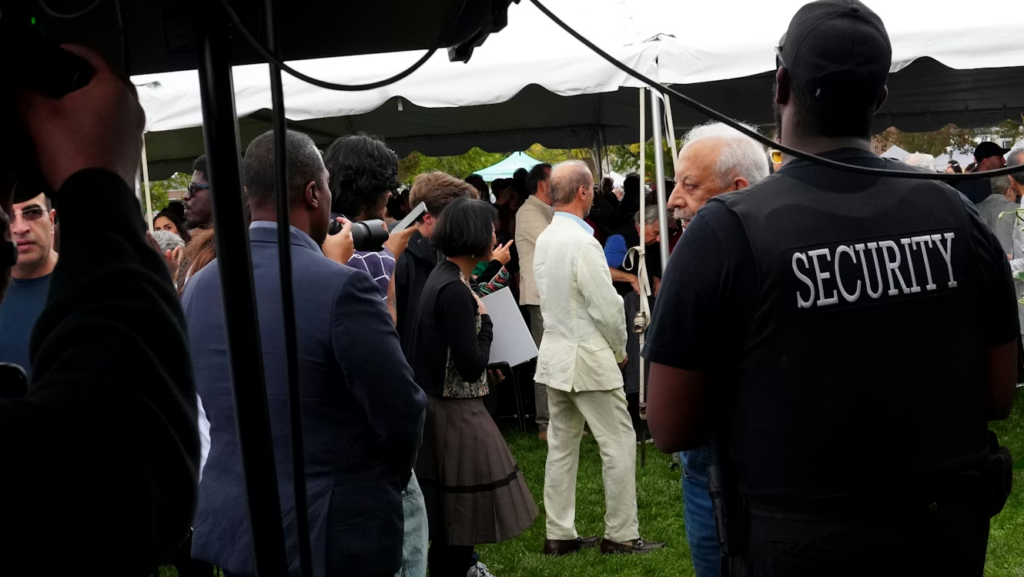
Large festivals hosting more than five thousand attendees demand structured preparation, coordinated staffing, and consistent oversight. An effective event safety blueprint sets out how organisers, stewards, and professional security teams manage crowds, respond to incidents, and maintain safe movement across the venue.
Whether staged in parks, stadium grounds, or temporary outdoor sites, festivals involve multiple entry gates, performance areas, food courts, and welfare points. Integrating trained personnel, such as event security guards, within the planning framework strengthens control at every stage, from gate admission to final exit.
A comprehensive plan ensures that safety is embedded into layout design, communication systems, and on-site decision-making.
Risk Assessment and Pre-Event Planning
Every successful event safety blueprint begins with a structured risk assessment. Organisers evaluate expected attendance numbers, crowd profiles, alcohol provision, weather exposure, and emergency access requirements.
Site surveys identify potential congestion points near stages, bars, and merchandise stalls. Routes for emergency vehicles must remain clear and well-marked. Temporary structures such as stages and lighting towers require safety checks before public access.
Coordination with local authorities, medical providers, and transport services ensures aligned expectations. Clear documentation outlines roles, reporting procedures, and escalation channels. When responsibilities are defined in advance, on-site teams respond more effectively under pressure.

Stakeholder Communication and Planning Meetings
Effective preparation also depends on structured communication between organisers, security providers, emergency services, and venue representatives. Regular planning meetings establish shared objectives and clarify operational expectations. Agendas should address crowd projections, staffing ratios, medical provision, and transport coordination. Written minutes record agreed actions and deadlines, ensuring accountability across teams. Early engagement with police and ambulance services supports aligned response strategies if incidents arise. This collaborative approach strengthens the event safety blueprint by ensuring that every stakeholder understands their role, reporting lines, and authority levels prior to attendees arriving on site.
Designing the Venue Layout for Crowd Flow
Venue design directly influences crowd behaviour. Wide access lanes, visible signage, and clearly defined queuing areas reduce bottlenecks.
Stages should be positioned with adequate buffer zones to prevent excessive crowd compression at the front barrier. Secondary viewing areas help distribute attendees more evenly across open spaces.
Food and beverage outlets should not obstruct primary walkways. Portable toilet blocks are best placed along peripheral areas rather than central pathways.
Barriers and fencing create structured movement routes. When combined with trained security guards, these physical measures guide attendees safely between zones without restricting enjoyment.
A well-designed layout supports the event safety blueprint by limiting uncontrolled crowd build-up.
Entry, Ticketing, and Access Control
Managing entry for thousands of guests requires disciplined gate procedures. Ticket scanning systems reduce delays while ensuring accurate capacity counts.
Bag checks are conducted consistently to deter prohibited items. Staff trained as professional SIA door staff maintain calm and respectful interactions while upholding entry policies.
Separate lanes for standard tickets, VIP access, and staff accreditation reduce confusion. Accessible entry points ensure inclusivity for guests with mobility needs.
Real-time attendance tracking supports safe capacity management. Once limits are reached, gates can pause admissions temporarily to prevent overcrowding inside the venue.

Radio Communication and Command Structure
Effective communication forms the backbone of any event safety blueprint. Radio networks link supervisors, stewards, medical teams, and security personnel across the entire site.
Clear radio protocols prevent confusion. Each team operates on assigned channels, while a central command unit monitors overall activity.
When congestion forms near a stage or bar, supervisors use radio communication to redirect stewards and create alternative routes. Announcements through public address systems support these efforts.
Short, direct messages reduce misunderstandings. Regular radio checks confirm equipment functionality throughout the event. A structured communication hierarchy ensures that urgent matters reach decision-makers without delay.
Managing High-Traffic Zones Near Stages
Performance stages attract concentrated crowds, particularly during headline acts. Front-of-stage barriers must be reinforced and monitored continuously.
Stewards positioned along barrier lines observe crowd density and behaviour. If pressure builds, teams communicate via radio to open side lanes or pause entry into the immediate area.
Water distribution points near stages reduce heat-related incidents during summer events. Medical teams remain on standby in clearly identified locations.
By monitoring density and responding promptly, organisers maintain safe conditions without halting performances unnecessarily. This coordinated approach strengthens the event safety blueprint and protects audience well-being.
Crowd Monitoring and Behaviour Observation
Large gatherings present varied behaviours. Most attendees participate responsibly, yet proactive observation remains essential.
Mobile patrol teams circulate between zones, reporting hazards such as blocked exits or uneven ground. Supervisors track crowd mood, identifying early signs of agitation or conflict.
Where alcohol is served, trained event door supervisors manage refusal procedures professionally and consistently. This reduces the likelihood of disputes escalating.
High vantage points allow monitoring staff to observe overall crowd movement. Combined with 24/7 CCTV monitoring services, organisers gain broader visibility across the venue footprint.
Emergency Response Planning
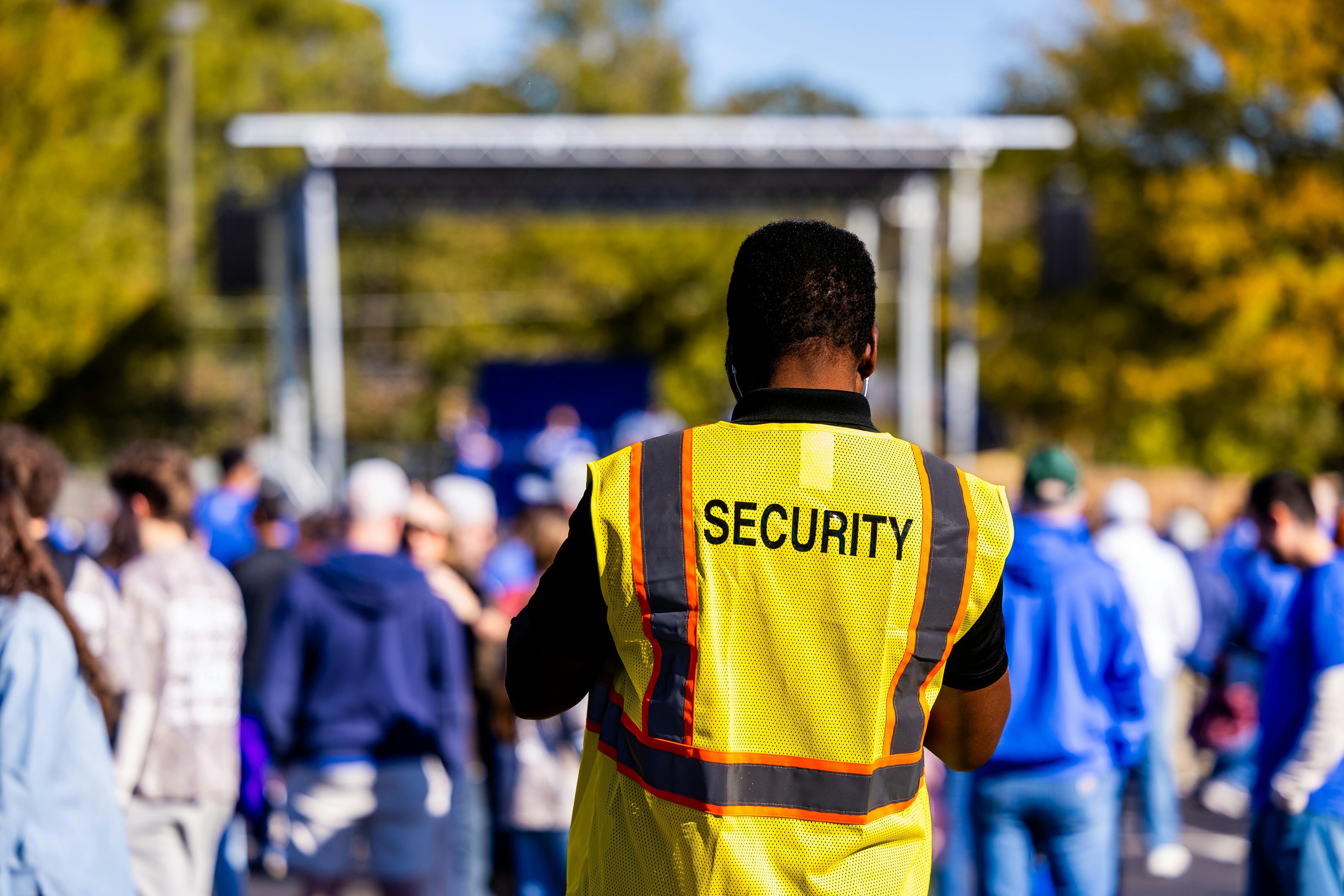
A clear emergency framework supports rapid, organised responses. The event safety blueprint must outline procedures for medical incidents, severe weather, fire, or security threats.
Emergency assembly points should be well signposted. Evacuation routes must remain unobstructed throughout the event.
All staff receive briefings on emergency codes and signals. Radio communication ensures coordinated messaging to prevent panic.
Public announcements must be calm and precise, directing attendees step by step. Medical tents and first aid posts should be easy to locate, with trained personnel available at all times.
Preparedness reduces confusion and limits risk during high-pressure situations.
Managing Weather and Environmental Factors
Outdoor festivals are vulnerable to sudden weather changes. High winds may affect stage structures, while heavy rain increases slip hazards.
Ground assessments before gates open identify unstable surfaces. Temporary matting may be installed in high-footfall areas.
Shade and hydration points reduce heat-related risks. When forecasts indicate severe weather, contingency plans guide postponement or performance adjustments.
An adaptable event safety plan allows organisers to respond decisively while maintaining attendee confidence.
Transport, Parking, and External Crowd Control
Safety planning extends beyond the venue boundary. Traffic congestion and crowd build-up outside entrances require coordination with transport providers and local authorities.
Clear signage directs vehicles to designated parking areas. Pedestrian routes between car parks and gates must be illuminated and supervised.
Staggered exit strategies reduce sudden surges at closing time. Radio teams coordinate gate closures and redirect departing guests toward multiple routes.
These measures protect both attendees and local communities from unnecessary disruption.
Welfare, Lost Persons and Safeguarding
Festivals must include welfare facilities and safeguarding procedures. Designated lost person points assist families and vulnerable individuals.
Staff trained in safeguarding policies respond sensitively to concerns. Clear identification badges enable attendees to approach assistance confidently.
Welfare tents offer quiet spaces for guests requiring rest or medical attention. By incorporating these services into the event safety blueprint, organisers demonstrate responsibility and care.

Coordination with Performers and Vendors
Artists, crew members, and vendors introduce additional movement within restricted zones. Backstage areas require controlled access and identification checks.
Delivery schedules for catering and merchandise must align with public opening times to avoid unnecessary congestion.
Regular briefings ensure that all contractors understand site rules and emergency procedures. When everyone operates within the same framework, risks decrease significantly.
Data Protection and Accreditation Management
Large festivals collect significant amounts of personal information through ticketing systems, staff accreditation, and vendor registrations. Protecting this data forms part of a responsible event safety blueprint. Access to accreditation databases should be limited to authorised personnel, with secure login protocols and monitored devices.
Temporary passes must display expiry times to prevent misuse after shifts end. Secure storage for printed lists and credentials reduces the risk of unauthorised copying. Clear data handling procedures reassure performers, contractors, and attendees that their personal details are managed responsibly throughout the planning, live operations, and post-event review process.
Power Supply and Infrastructure Protection
Temporary power installations support stages, lighting, catering equipment, and production cabins. These systems must be safeguarded against interference or accidental damage. Restricted zones around generators prevent unauthorised access and reduce tampering risks. Cables should be covered or routed overhead to avoid trip hazards.
Regular inspections throughout the event ensure connections remain stable under heavy usage. Backup generators provide continuity if primary systems fail. Integrating infrastructure protection into the event safety blueprint prevents disruption to performances, lighting or communication systems, maintaining safe conditions for attendees and operational teams alike.
Waste Management and Environmental Safety
High attendance levels generate substantial waste, which can quickly obstruct pathways and create safety hazards if unmanaged. A structured waste collection schedule prevents overflow around food outlets and seating areas. Clearly labelled recycling and refuse stations reduce confusion and encourage responsible disposal. Cleaning crews coordinate with radio supervisors to access busy areas during quieter intervals.
Spill response kits should be positioned near bars and catering zones to address slip risks promptly. Including environmental safety measures within the event safety blueprint protects crowd movement, supports hygiene standards, and preserves the venue’s condition after closure.
Insurance, Compliance, and Regulatory Liaison
Regulatory compliance underpins the safe delivery of any large festival. Public liability insurance, risk documentation, and structural certificates must be finalised before opening day. Liaison with local authorities ensures alignment on crowd capacity limits and emergency access requirements.
Regular inspections by safety officers confirm adherence to licensing conditions. Maintaining organised documentation enables a rapid response to official enquiries during the event. By embedding compliance monitoring into the event safety blueprint, organisers demonstrate accountability and protect the long-term viability of their events within the communities they serve.

Post-Event Dispersal and Site Closure
Closing procedures require the same level of planning as entry. Lighting should remain active until crowds have cleared the venue.
Stewards guide attendees calmly toward exits, using radio communication to prevent bottlenecks. Cleaning teams and contractors begin work only after zones are confirmed clear.
Incident reports are compiled and reviewed to identify lessons for future events. Continuous improvement strengthens each subsequent event safety blueprint.
Training and Rehearsal Before Event Day
Preparation extends beyond paperwork. Staff rehearsals familiarise teams with radio channels, evacuation routes, and command structures.
Tabletop exercises simulate scenarios such as crowd surges or severe weather alerts. These rehearsals build confidence and coordination.
Briefings held immediately before gates open reinforce responsibilities and communication protocols. When teams understand expectations clearly, performance on the day remains consistent and controlled.
Plan Your Next Event with Confidence
Delivering a safe festival for more than five thousand attendees requires structured planning, effective communication, and disciplined execution. A comprehensive event safety blueprint integrates layout design, radio coordination, trained personnel, and surveillance to manage crowd movement and reduce risk.
Organisers seeking dependable support can combine event security guards, professional SIA door staff, and 24/7 CCTV monitoring services in London to strengthen every layer of protection. For large-scale festivals and major public events, Adler Security provides experienced teams and coordinated solutions that keep audiences safe while ensuring events run smoothly from opening gates to final exit. Contact us today.