

High-rise office buildings concentrate hundreds or even thousands of people within a single structure. When a fire alarm sounds or a security breach occurs, confusion can spread quickly without a structured plan. A well-defined corporate security strategy ensures that everyone understands their role before a crisis unfolds. In tall commercial buildings where multiple businesses share entrances, lifts, and communal facilities, even a short delay in decision-making can place occupants at risk and increase operational disruption.
Large offices often rely on security guards in Leeds or similar city-based teams to manage day-to-day operations. However, emergency response requires more than routine patrols. It demands coordination between guards, facilities managers, senior leadership, and emergency services. Response planning must account for peak occupancy periods, contractor presence, and visitors unfamiliar with the building layout. This guide explains how to prepare for major incidents, structure communication during evacuation, and protect staff effectively while maintaining business continuity wherever possible.
Understanding the Risks in High-Rise Offices
Every building presents different hazards. In high-rise offices, common risks include:
- Electrical fires
- Kitchen or plant room incidents
- Suspicious packages
- Violent intruders
- Unauthorised access to restricted floors
- Power failures affecting lifts
A risk assessment should identify vulnerable areas such as server rooms, reception desks, car parks, and rooftop plant equipment. Buildings with multiple tenants must also coordinate across organisations to prevent inconsistent procedures between floors. Cleaning contractors, maintenance engineers, and temporary staff should be included in planning discussions, as they may be present outside standard office hours.
A strong corporate security strategy begins with documenting these risks, ranking them by likelihood and impact, and assigning responsibility for each scenario. Written records provide clarity and ensure that accountability is never assumed or left undefined.

Defining Roles and Responsibilities
The Role of Security Personnel
On-site guards are often first responders. Whether supported by manned guarding or regional partners, their duties during an emergency may include:
- Verifying alarm activations
- Initiating evacuation protocols
- Guiding occupants to exits
- Securing access points
- Liaising with emergency services
Clear instructions prevent hesitation. Guards must understand authority levels, especially when overriding lift controls, restricting re-entry, or directing senior executives. They should also know how to assist vulnerable occupants and how to prioritise tasks if simultaneous incidents occur.
The Role of Building Management
Facilities managers oversee infrastructure systems such as fire panels, sprinkler controls, ventilation shut-off systems, and access networks. They provide technical information to emergency responders and ensure maintenance records are available. During an evacuation, they may isolate affected systems or confirm the status of fire suppression equipment.
Managers should coordinate directly with security supervisors to avoid conflicting instructions during a crisis. A defined command structure ensures that only authorised individuals make operational decisions.
The Role of Senior Leadership
Directors and office managers must communicate with staff, clients, and media if necessary. Pre-written holding statements can prevent misinformation and reduce speculation. Leadership should also confirm remote working arrangements if premises remain inaccessible.
A unified corporate security strategy ensures leadership messaging aligns with on-site actions and that all communications are accurate and consistent.
Building a Structured Emergency Plan
An effective emergency response plan should include:
- Incident identification procedures
- Alarm activation protocols
- Evacuation routes
- Assembly points
- Communication chains
- Post-incident review steps
Each section must be documented and accessible both digitally and in printed format. Copies should be stored securely yet remain available during a power failure. Plans must also outline decision thresholds, such as when to escalate from partial evacuation to full building clearance.
Fire Response Procedures
Fires remain one of the most significant threats in high-rise offices. A clear sequence should include:
- Alarm confirmation
- Immediate notification of emergency services
- Activation of evacuation announcements
- Deployment of trained fire wardens
- Lift shutdown and stairwell guidance
Guards may work alongside 24/7 CCTV monitoring services to confirm fire origin points quickly and relay accurate information to responders. Fire drills should be conducted at least twice annually, with attendance records maintained centrally and performance reviewed for improvements.
Security Breach Response
Security breaches can range from unauthorised entry to violent incidents. Response steps should include:
- Immediate communication via radio network
- Lockdown of affected floors
- Restriction of lift access
- Notification of the police
- Controlled evacuation if necessary
Buildings supported by security guard services or similar teams must ensure that breach procedures match national policy standards and that guards understand legal powers and limitations.
Communication During an Emergency
Clear communication saves lives. Confusion increases risk and delays safe evacuation.
Internal Communication
Guards should use secure radio channels with agreed terminology. Codes must be simple and widely understood. Overly complex systems can create misunderstandings under stress. Backup communication methods, such as mobile phones or internal messaging platforms, should be identified in case radio networks fail.
Public address systems should provide calm, direct instructions. For example:
- “Please proceed to the nearest stairwell.”
- “Do not use lifts.”
- “Report to your designated assembly point.”
Text alerts and email notifications can reinforce announcements and reach employees who may be in meeting rooms or wearing headphones.
Communication Between Guards and Managers
A designated incident controller should coordinate decisions. This person collects updates from floor wardens and communicates with senior leadership. Written situation reports should be prepared during extended incidents to maintain a clear timeline.
If the building employs security guard services or regional equivalents, cross-site communication procedures should follow identical structures to maintain consistency across portfolios.
Liaison with Emergency Services
When fire or police services arrive, security must provide:
- Floor plans
- Details of alarm activation
- Known hazards
- Confirmation of evacuation progress
- Access to plant rooms
Having printed emergency packs at reception reduces delays and demonstrates preparedness.
Evacuation Planning for High-Rise Buildings
Designing Clear Escape Routes
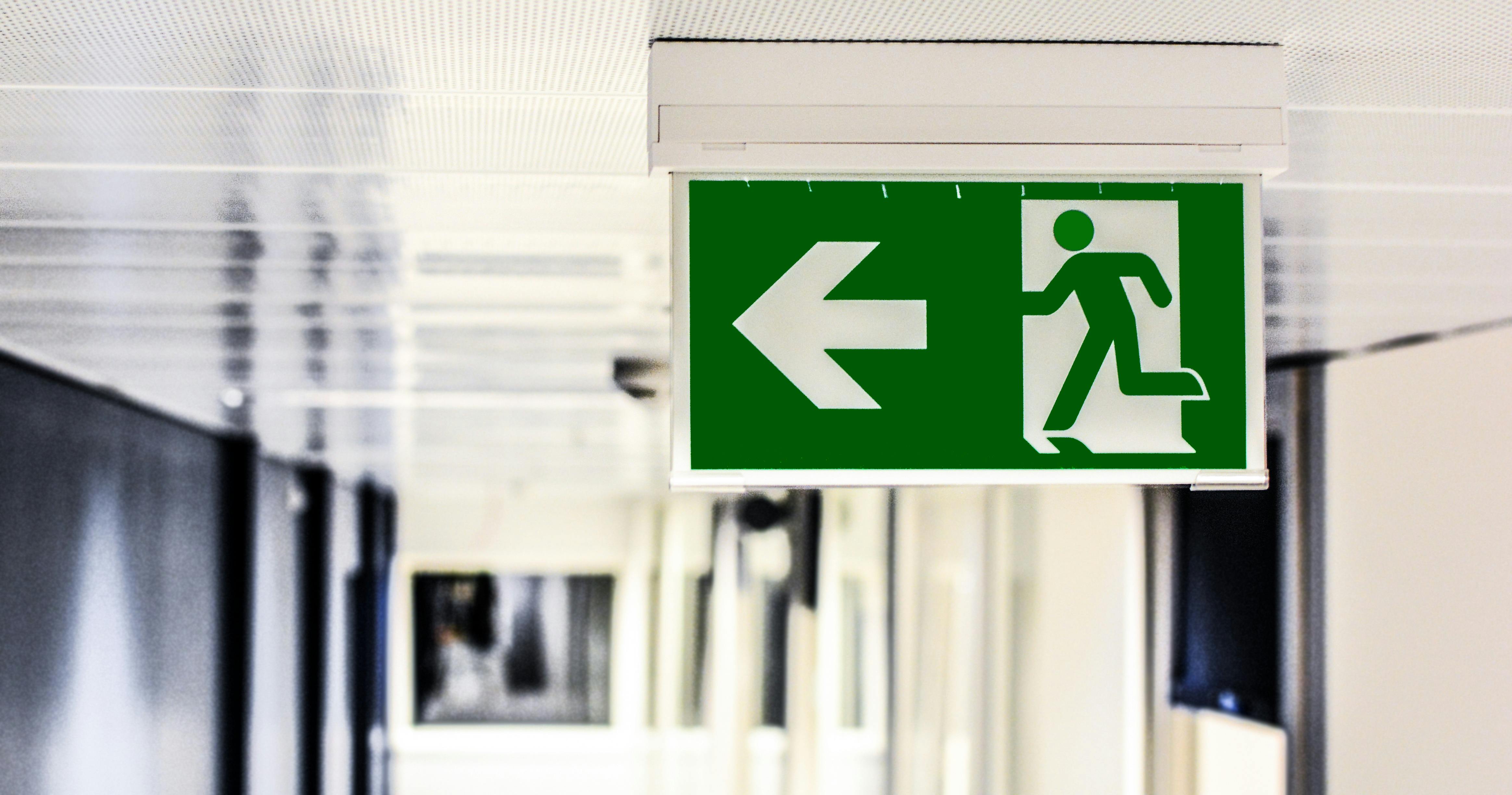
Evacuation routes must be clearly marked and unobstructed. Stairwells should remain free of storage or temporary materials. Emergency lighting must function even during a power failure and be tested routinely. Signage should be visible from multiple angles and in low-light conditions.
Buildings with multiple tenants require coordinated signage so that visitors can follow instructions easily without confusion about floor boundaries.
Assembly Points and Headcounts
Designated assembly points should be located at a safe distance from the building and away from emergency vehicle access routes. Staff lists must be accessible for roll calls, and visitor sign-in records should be reviewed promptly.
Security supervisors working with manned guarding should confirm that all occupants are accounted for and report missing persons immediately, including last known locations where possible.
Supporting Vulnerable Occupants
Personal Emergency Evacuation Plans are essential for individuals with mobility challenges, sensory impairments, or temporary injuries. These plans should identify evacuation chairs, assigned assistants, refuge points, and alternative routes. Regular review ensures plans remain current if staffing or building layouts change.
Integrating Technology into Emergency Response
Technology enhances situational awareness during major incidents and improves response coordination.
CCTV and Monitoring Systems
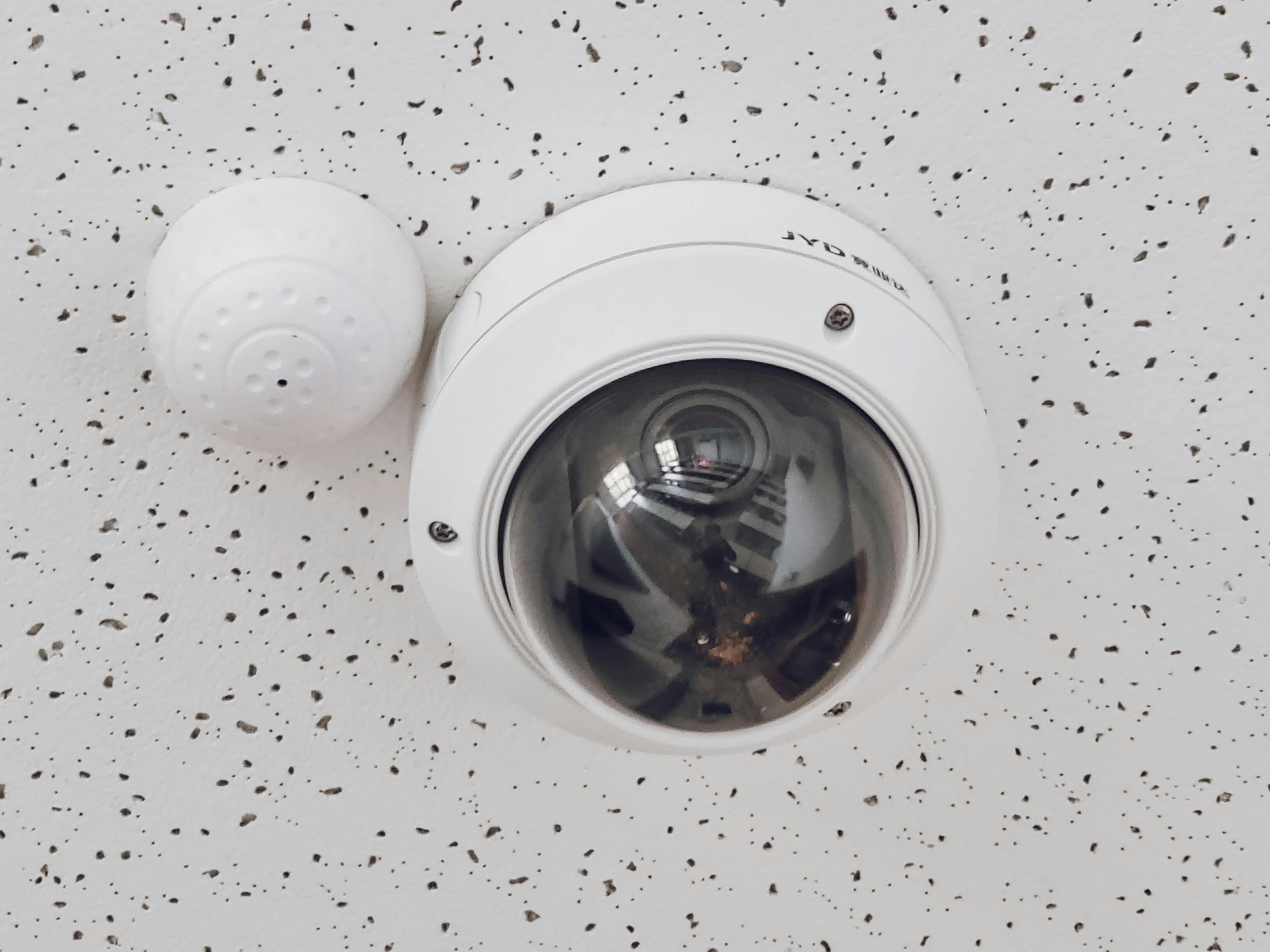
Live feeds help confirm incident severity and reduce false alarms. Integrated 24/7 CCTV monitoring services can alert additional responders and log time-stamped evidence for later review. Remote viewing capability allows senior managers to monitor developments without entering restricted areas.
Access Control Systems
Electronic access systems can be overridden to facilitate evacuation or enforce lockdowns. System administrators must understand manual override procedures and ensure backup power supplies are maintained.
Digital Incident Logging
Real-time logging supports accurate reporting. Incident records should include:
- Time of detection
- Actions taken
- Communication timeline
- External agency involvement
- Outcome summary
A strong corporate security strategy includes central storage of these logs for audit, compliance, and training analysis.
Training and Drills
Plans are ineffective without rehearsal and reinforcement.
Scenario-Based Exercises
Conduct scenario exercises covering:
- Fire in the plant room
- Suspicious package in reception
- Violent intruder on the upper floor
- Power outage affecting lifts
Guards, managers, and staff should participate. Exercises should test communication systems and decision-making processes under pressure. Personnel such as professional SIA door staff may require additional crowd management training in high-traffic buildings.
Reviewing Drill Performance
After each drill, gather feedback. Identify:
- Delays in evacuation
- Communication breakdowns
- Equipment failures
- Confusion regarding roles
Written evaluations should result in practical adjustments. Continuous improvement strengthens the overall corporate security strategy.
Managing Security Teams Across Large Portfolios
Organisations operating multiple office buildings must standardise emergency planning to avoid inconsistency.
Consistency Across Sites
If a building is supported by security guard services, it must follow identical emergency templates, reporting structures, and documentation formats. Standardisation reduces confusion for staff who transfer between offices and supports corporate governance.
Supervisory Oversight
Regional security managers should conduct audits and review incident statistics quarterly. Performance data helps identify training gaps, recurring faults, or equipment issues requiring investment.

Handling Media and External Communication
Large incidents often attract public attention. Communication must remain factual and controlled.
- Appoint a single spokesperson
- Issue verified statements
- Avoid speculation
- Coordinate with authorities
Internal updates should reassure staff while avoiding unnecessary alarm or premature conclusions.
Post-Incident Review and Recovery
After any significant incident, conduct a formal review to identify lessons learned.
Debriefing Process
Invite representatives from:
- Security team
- Facilities management
- Senior leadership
- Health and safety
Discuss timeline accuracy, communication clarity, and resource allocation. Document agreed improvements with deadlines for completion.
Updating the Emergency Plan
Revise documentation based on findings and distribute updated procedures to all staff. A responsive corporate security strategy adapts as risks change and as buildings evolve.
Budgeting for Emergency Preparedness
Preparedness requires investment in:
- Training
- Equipment maintenance
- Monitoring services
- Professional guarding
Organisations considering whether to hire manned guarding services should evaluate cost against potential loss from business interruption, reputational damage, and regulatory penalties. The financial impact of a poorly managed evacuation can far exceed prevention costs.

Supporting Staff Wellbeing
Major incidents can cause stress and anxiety. Employers should provide:
- Clear post-incident communication
- Access to counselling services
- Transparent recovery timelines
Visible leadership presence following an incident reassures employees and reinforces confidence in procedures.
Legal and Regulatory Compliance
UK employers must comply with fire safety legislation and health and safety obligations. Documentation must demonstrate:
- Risk assessments
- Training records
- Equipment maintenance logs
- Incident reports
Engagement with licensed professionals, including SIA door supervisors where required, ensures compliance standards are met and verified.
Strengthening Readiness Through Partnership
External expertise supports internal planning. Buildings that integrate experienced teams, such as security guard services, benefit from structured procedures and disciplined response. Regular consultation with guarding providers keeps protocols current and aligned with emerging threats.
Protecting Large Offices Through Preparation
A well-structured corporate security strategy ensures that fires, security breaches, and other major incidents are managed with clarity and control. By aligning trained teams such as security guard services, reinforcing preparedness through manned guarding, and enhancing oversight with 24/7 CCTV monitoring services in London, organisations can maintain confidence in their emergency response capability and protect staff effectively.
For offices seeking dependable support and structured emergency planning, Adler Security provides professional guarding, coordinated response frameworks, and experienced teams committed to keeping staff safe when it matters most. Contact us today.