

Retail businesses operating across several UK locations face increasing pressure to protect stock, staff, and customers from theft and vandalism. A consistent approach to retail chain security allows retailers to manage risks while maintaining smooth daily operations. Without unified systems, security standards can vary between stores, creating weaknesses that offenders quickly identify. A complete security framework combines CCTV networks, coordinated guard coverage, trained staff, and controlled access systems to deliver reliable protection nationwide.
Central oversight also improves accountability by setting clear expectations for every location. Managers gain visibility into incidents, response times, and compliance through shared reporting tools. This structure supports quicker decisions when risks increase or layouts change. Consistency reassures staff, who understand procedures and escalation paths, and it reassures customers, who feel safer in well-managed stores. As retail chains expand, standardised security systems prevent gaps during new openings. Investment in planning reduces long term losses, limits disruption, and supports stable trading conditions across regions and store formats. This approach also encourages collaboration between teams and improves confidence at all levels.
Understanding Security Risks Across Retail Chains
Each store faces different challenges based on location, size, trading hours, and customer volume. High street stores may encounter shoplifting and antisocial behaviour, while retail parks often face after-hours break-ins. Without standard policies, these risks are managed inconsistently. Central oversight ensures that minimum security expectations are met across all sites while allowing local managers to respond to site-specific issues.
Regular risk reviews should assess stock value, historical incidents, store layout, and surrounding activity. These findings support informed decisions that balance protection with operational efficiency.

Designing a Centralised CCTV Network
CCTV systems provide essential oversight across retail chains. Cameras should cover entrances, exits, tills, stock rooms, and loading bays. Consistent camera placement across stores improves incident review and staff training while supporting compliance with data protection requirements.
Central monitoring enables real-time observation and quicker responses to suspicious activity. Using CCTV monitoring guards supports regional oversight while maintaining local familiarity. Visible cameras also act as deterrents, reducing theft before it occurs.
Integrating CCTV With Daily Store Operations
CCTV works best when actively used rather than passively recorded. Store managers should review footage during investigations, layout planning, and staff briefings. Reviewing incidents helps identify repeat patterns such as common concealment areas or peak theft times.
Routine system checks ensure all cameras function correctly. Standardised procedures for footage access protect customer privacy while supporting accountability across the chain.
Coordinating Guard Coverage Across Multiple Locations
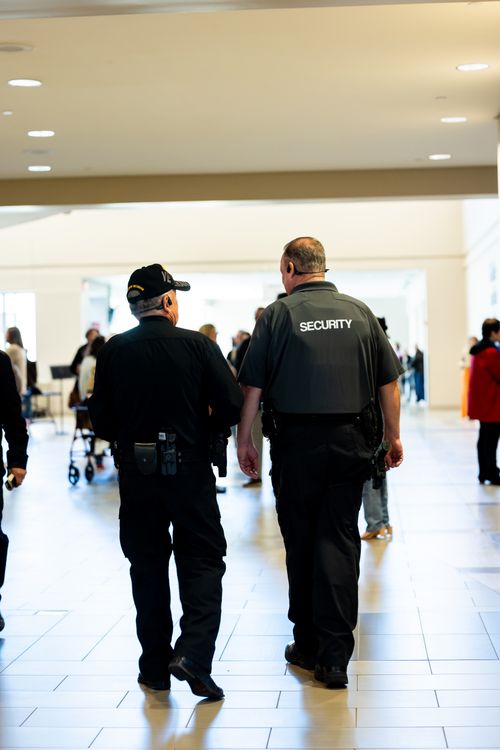
Security guards add a visible and responsive layer of protection. Their presence discourages theft, assists staff, and manages incidents as they arise. Coordinated scheduling ensures guards are deployed during peak trading hours, deliveries, and closing periods.
Using security guard services in London supports consistent training, reporting, and professionalism across flagship locations. Clear communication between guards, store managers, and central teams improves response times and reduces confusion.

Standardising Guard Procedures
Consistency in guard duties improves effectiveness. Entry monitoring, patrol routines, and reporting should follow the same structure across all stores. This allows management to compare data, track trends, and improve strategies efficiently.
Uniforms and identification reassure customers and reinforce authority. Regular briefings ensure guards remain aware of promotions, deliveries, and known risks within each store.
Staff Training as a Core Security Measure
Retail staff play a vital role in preventing loss. Training should focus on recognising suspicious behaviour, following cash handling rules, and reporting concerns promptly. Staff should understand when to intervene and when to seek assistance. Regular refresher sessions maintain awareness and confidence. When staff and guards cooperate effectively, response times improve, and risks are reduced.
Staff should be familiar with reporting procedures for both minor and significant incidents, ensuring all information reaches supervisors quickly. Encouraging open communication between floor staff and security guards fosters a proactive approach, allowing early intervention before issues escalate, and helping create a safer, more secure environment for both employees and customers.
Managing Access Control Systems
Access control systems limit entry to staff-only areas such as stock rooms and offices. Swipe cards and PIN systems reduce internal theft and improve accountability. Central management allows permissions to be updated quickly when staff roles change.
Audit trails support investigations and reinforce responsible behaviour. Combining access control with CCTV creates layered protection across all locations.
Handling Deliveries and Stock Movement
Deliveries present an elevated risk, particularly for high-value stock. Clear procedures for receiving goods, checking documentation, and securing items reduce exposure. Guards can oversee deliveries during busy periods or outside standard hours.
Coordination between logistics teams and store management ensures access is granted only when required, maintaining efficiency without compromising safety.
Responding to Incidents and Vandalism
Even with preventative measures, incidents may occur. Clear response plans help staff and guards act quickly and safely. This includes securing areas, contacting authorities, and preserving evidence.
Support from retail chain security services allows rapid local response while feeding information back to central teams. Post-incident reviews strengthen future prevention.
Maintaining Consistency Across the UK
Consistency ensures no store becomes a weak point. Regular audits, shared reporting platforms, and performance reviews keep standards aligned. Technology that supports shared schedules, reports, and footage improves transparency.
This unified approach allows retail chains to grow while maintaining dependable security.
Balancing Cost Control With Protection
Retailers must manage budgets carefully. Investing in prevention often reduces losses more effectively than reacting after incidents. Scalable systems allow new stores to integrate into existing networks without high upfront costs.
Central purchasing of services and equipment supports financial efficiency while maintaining high standards.
Leadership and Oversight Responsibilities
Senior leadership commitment ensures security remains a priority. Clear policies, visible support, and regular reviews foster accountability. When teams feel supported, procedures are followed more consistently. Leadership involvement encourages reporting and continuous improvement across the chain.
Senior leaders also influence how seriously security is treated at the store level. When expectations are reinforced through meetings, audits, and performance reviews, managers remain engaged rather than reactive. Budget planning that includes security needs prevents rushed decisions later.
Strengthening Loss Prevention Through Store Layout Planning
Store layout affects visibility and theft prevention. Clear sightlines reduce blind spots where shoplifting often occurs. High-value items should be positioned within visible areas supported by mirrors and controlled shelving. Consistent layouts across locations help staff apply the same observation habits, improving confidence and reaction time.
Temporary displays can create new blind spots if poorly positioned. Regular layout reviews ensure visual control remains effective as merchandising changes. Collaboration between security teams and visual merchandisers helps balance presentation with loss prevention without affecting customer flow or accessibility.
Creating Consistent Incident Reporting Systems
Unified reporting systems allow accurate analysis of incidents. Reports should record time, location, actions taken, and outcomes. Consistency helps identify trends and refine procedures across all stores. Shared systems turn daily incidents into learning tools that strengthen retail chain security.
Coordinating Security During Peak Trading Periods
Sales events and holidays increase risk. Temporary staffing adjustments, increased patrols, and enhanced CCTV oversight help manage higher footfall. Clear briefings before peak periods ensure everyone understands responsibilities, reducing stress and maintaining order.
Planning should begin weeks in advance, factoring in promotional schedules and delivery volumes. Guards and staff should be positioned at pressure points such as entrances, fitting rooms, and tills. Consistent communication during busy periods allows quick adjustments when queues grow or incidents occur, helping stores remain calm, organised, and secure during demanding trading days.
Managing After-Hours Security
Closed stores remain vulnerable. Alarm systems, motion sensors, and lighting discourage unauthorised access. Guards conducting patrols should follow structured routes with regular reporting. Randomised patrol timing reduces predictability and strengthens protection.
After-hours procedures should also include secure handling of waste, locked delivery zones, and controlled contractor access. Clear handover processes between closing staff and guards prevent gaps in responsibility. Regular testing of alarms and lighting ensures systems perform as expected, reducing reliance on response measures after damage or theft has already occurred.
Supporting Staff Confidence and Awareness
Confident staff respond more effectively. Clear guidance prevents unsafe decisions and hesitation. Open communication between staff and security teams strengthens cooperation and shared responsibility.
Training should reinforce that safety comes before confrontation. Staff who understand reporting routes and escalation procedures feel less pressure to handle incidents alone. Encouraging questions and feedback builds trust, while consistent reinforcement of expectations helps new and experienced employees remain alert without feeling anxious or overwhelmed during busy periods.
Using Data to Improve Security Decisions
CCTV analytics and reports provide insight into risks. Reviewing data supports better resource allocation, ensuring high-risk sites receive adequate support without overspending.
Regular data reviews reveal repeat behaviours, time-based patterns, and layout weaknesses. Sharing findings with store managers supports informed local decisions. Data-backed planning reduces guesswork, allowing retailers to justify staffing levels, equipment upgrades, and procedural changes while maintaining control over budgets and operational priorities.
Aligning Security With Customer Experience
Security should reassure, not intimidate. Professional guards and clear signage support a welcoming environment. Respectful communication builds trust and encourages repeat visits.
Consistency in behavior and appearance helps customers feel comfortable across all locations. Guards trained in customer service skills support conflict prevention and assist staff when needed. Clear explanations of security measures reduce misunderstandings, ensuring customers view protection as part of a safe shopping experience rather than a barrier.

Handling Staff Turnover Securely
Staff changes require prompt access updates and training for new starters. Maintaining updated permissions prevents internal misuse and maintains consistency.
Exit procedures should include immediate removal of access credentials and system permissions. New employees must receive security guidance during induction, not weeks later. Keeping accurate staff records supports accountability and prevents confusion, especially during busy periods or seasonal recruitment when turnover rates are higher.
Coordinating With Local Authorities
Clear escalation procedures support swift responses. Accurate records and footage assist investigations and insurance processes.
Maintaining contact details and response expectations ensures staff know when and how to involve authorities. Consistent documentation improves cooperation and credibility during investigations. Regular reviews of response outcomes help refine escalation decisions, ensuring appropriate action is taken without unnecessary disruption to trading operations.
Reviewing Security Policies Regularly
Annual audits and feedback help refine procedures. Clear documentation ensures accountability and consistency.
Policy reviews should reflect operational changes, incident trends, and regulatory updates. Input from store managers, guards, and staff provides practical insight. Regular updates prevent outdated practices from undermining protection and ensure all locations follow current expectations without confusion or unnecessary variation.
Smart Protection Strategies for Growing Retail Brands
A complete approach to retail chain security combines technology, trained staff, clear procedures, and coordinated oversight. CCTV networks, access systems, and guard coordination work together to reduce theft and vandalism across multiple locations. Support from security guard services, CCTV monitoring guards, and SIA door supervisors in Bristol helps maintain reliable standards while addressing local risks.
For retailers seeking dependable nationwide protection, Adler Security delivers professional security to support safe, secure, and well-managed retail operations across the UK. Contact us today.