
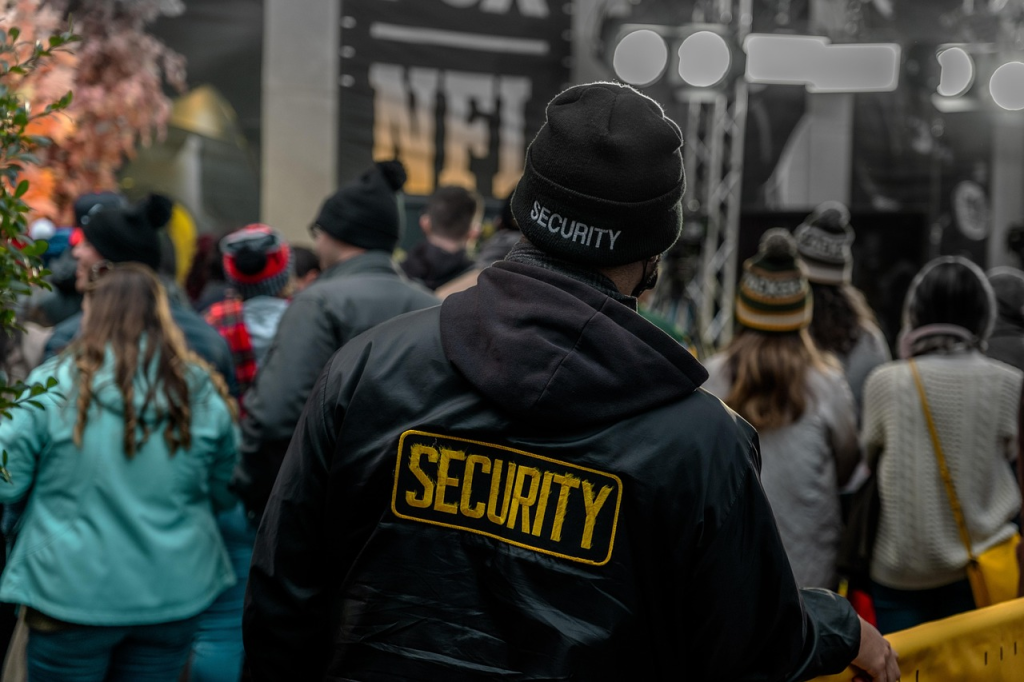
Large-scale events across the UK have returned with renewed energy, yet expectations around safety, accountability, and public well-being have changed. Organisers are now responsible for more than access control or visible deterrence. They must ensure compliance with the law, manage crowd behaviour, protect vulnerable attendees, and respond decisively to incidents. This responsibility increasingly shapes public confidence, as attendees expect orderly entry, respectful engagement, and prompt assistance when issues arise. Planning transparency is now scrutinised by venues, insurers, and local authorities alike, supported by documented procedures and trained personnel. Security provision is no longer a background function but an operational pillar influencing reputation and commercial outcomes. This masterclass sets out a structured approach to modern event protection, beginning with event security guards in London and extending through training, planning, and response systems that meet current realities.
The Post-Pandemic Shift in Event Risk Profiles
Public health considerations have reshaped how crowds gather, queue, and interact. Density levels, entry procedures, and emergency access routes are subject to closer scrutiny than ever before. Events that once relied on basic stewarding must now demonstrate formal risk controls that address both traditional threats and newer pressures such as delayed emergency response, reduced staffing tolerance, and heightened public awareness.
Security planning must reflect behavioural changes. Attendees may display lower patience for delays, stronger reactions to enforcement, and increased sensitivity to visible authority. These factors influence how guards are briefed, positioned, and supported throughout operations.

Legal Responsibilities for UK Event Organisers
Event organisers operate within a strict legal framework. The Health and Safety at Work Act requires reasonable steps to protect staff and attendees. The Management of Health and Safety at Work Regulations mandate written risk assessments, while local authorities often impose licensing conditions covering stewarding ratios, emergency plans, and incident reporting.
Security personnel must hold appropriate SIA licences, and organisers must confirm that deployment matches licence type. For example, crowd-facing roles at entry points or alcohol-led environments require qualified door supervisors rather than general guarding staff. Non-compliance can lead to enforcement action, licence withdrawal, or prosecution following incidents.
Risk Assessments That Reflect Real Conditions
Effective risk assessments are practical tools, not administrative exercises, and must consider crowd size, attendee profile, alcohol availability, weather, transport access, and local crime patterns. Each factor directly influences staffing levels, patrol focus, and communication methods across the site.
High-risk periods such as entry surges, headline performances, and event closure require enhanced controls that are clearly documented and understood by all teams. Assessments should also address secondary risks, including medical incidents, trip hazards, and unauthorised access to restricted zones. Clear ownership of each risk ensures accountability during live operations, while scenario testing allows teams to rehearse responses under realistic pressure. Regular updates during event build-up keep assessments accurate as conditions change, supporting informed decisions throughout delivery.
Crowd-Flow Modelling and Spatial Planning
Crowd-flow modelling plays a central role in preventing congestion and disorder. Mapping arrival routes, ticket scanning points, food areas, welfare spaces, and exits allows planners to predict pressure points. Temporary barriers, signage, and staggered entry times reduce build-ups that can trigger frustration or panic.
Security teams must understand these layouts in detail. Guards positioned at flow junctions require authority to redirect attendees calmly and confidently. Effective spatial planning also supports emergency services by maintaining clear access routes throughout the event lifecycle.

Safeguarding Vulnerable Attendees and Inclusive Design
Post-pandemic event delivery places greater responsibility on organisers to protect vulnerable attendees. This includes children, elderly guests, individuals with disabilities, and those requiring medical or emotional support. Security planning must account for accessibility routes, welfare zones, and clearly identified assistance points supported by trained staff, with event security guards in London playing a visible role in maintaining reassurance and control across busy environments.
Security personnel should receive safeguarding awareness instruction, enabling them to recognise distress signals and respond appropriately. Clear reporting pathways allow concerns to be escalated without delay. A visible but respectful presence reassures attendees while preserving dignity and privacy.
Inclusive planning also extends to patient queue control, accessible signage, and calm engagement. When guests feel supported rather than controlled, cooperation improves, and incidents decline.
Specialist Training for Event Security Personnel
Modern event protection depends on specialist training. Guards must understand crowd psychology, conflict management, and proportionate response. Verbal engagement skills are essential, particularly where enforcement must remain calm and respectful under pressure.
Training should include scenario-based exercises covering lost children, medical emergencies, aggressive behaviour, and evacuation procedures. Regular refreshers help teams remain consistent, especially when working with temporary staff or multi-agency partners. Clear briefings before deployment reinforce site-specific risks, reporting protocols, and escalation thresholds. This preparation improves confidence, reduces hesitation during incidents, and ensures security teams act decisively while maintaining professionalism throughout live event operations.
Alcohol Management and Behaviour Control
Alcohol consumption remains a significant contributor to event-related incidents. Security planning must account for service limits, refusal procedures, and swift intervention when behaviour shifts from social to disruptive. Licensed supervisors play a key role at entry points, bar areas, and high-traffic zones.
Coordination between bar staff and security teams ensures early warnings when guests show signs of intoxication. Guards trained in verbal control can resolve situations before removal becomes necessary, protecting staff safety and reducing reputational risk.
Clear policies communicated to attendees set expectations early. Consistent enforcement supports fairness and stability throughout the event.
Perimeter Security and Access Control Strategy
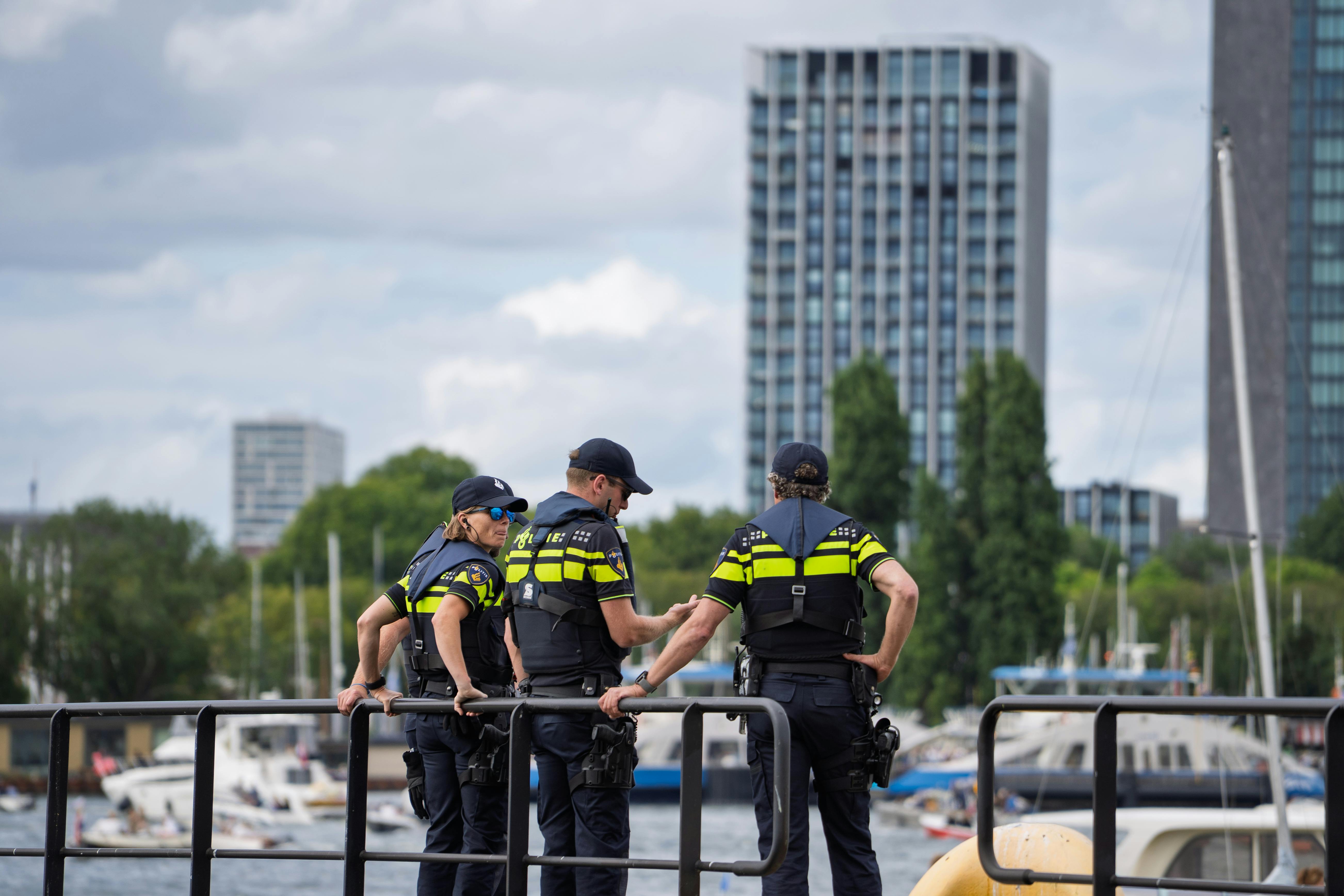
Perimeter planning forms the foundation of effective event protection. Clear boundaries prevent unauthorised access, reduce ticket fraud, and support safe capacity management. Fencing, controlled entry points, and defined emergency exits must align with licensing requirements and fire authority guidance. Deploying event security guards in London at key perimeter locations ensures these measures are enforced professionally and consistently.
Security staff assigned to perimeter roles require clear authority and support. Entry searches, bag checks, and ticket validation must follow lawful procedures while maintaining efficiency. Long queues increase frustration, making staffing ratios and layout design essential.
Command Structure and Communication Protocols
Clear command structures prevent confusion during incidents. Every event should define who holds operational control, how decisions escalate, and how information flows between security teams, stewards, medical staff, and organisers.
Reliable communication tools are essential. Radios with designated channels, backup devices, and clear call signs support fast coordination. Briefings before gates open should reinforce protocols, expected challenges, and reporting standards.
Coordination With Emergency Services and Local Authorities
Early engagement with police, ambulance services, and local councils strengthens event readiness. Sharing site maps, schedules, and risk assessments allows emergency services to plan response routes and resource allocation in advance.
Joint briefings establish expectations and clarify thresholds for intervention. Security leaders must know when to escalate externally and how to provide accurate information during incidents, reducing response times and confusion.

Emergency Response and Incident Management
Emergency response planning must account for speed, clarity, and coordination. Plans should cover evacuation, partial shutdown, shelter-in-place scenarios, and medical escalation. Each guard must know their role, assembly points, and reporting lines.
Tabletop exercises and walk-throughs identify weaknesses before live delivery. During incidents, accurate logging supports later review and regulatory enquiries. Calm leadership reassures attendees and limits escalation.
Weather Contingency and Environmental Risk Planning
UK events face unpredictable weather conditions that affect crowd behaviour and site safety. Heat, rain, and wind introduce risks requiring advance controls. Shade areas, water access, slip prevention, and structural checks for temporary installations are essential.
Security teams should receive weather-specific briefings, including signs of heat exhaustion or cold-related illness. Adjusting patrol focus during poor conditions helps identify hazards such as pooling water or unstable barriers.
Contingency planning should also include clear triggers for operational changes, such as delaying entry, pausing performances, or activating evacuation routes. Communication with attendees must remain clear and timely through announcements, signage, and trained staff on the ground. Weather monitoring responsibilities should be assigned to a named supervisor who can liaise with event control and external services. These measures reduce confusion, protect infrastructure, and support calm crowd management when environmental conditions shift rapidly during live delivery.
Transport Hubs and Event Egress Management
Departure phases often present a higher risk than entry. Crowds leaving simultaneously can overwhelm transport hubs and surrounding areas. Security planning must extend beyond site boundaries to ensure safe dispersal.
Clear communication around exit routes, transport schedules, and staggered closing times reduces congestion. Security staff positioned at exit points guide movement and support vulnerable attendees as they depart.
Technology Integration and Monitoring Support
Technology strengthens human presence when used appropriately. CCTV systems support situational awareness, while access control data helps track crowd movement. Monitoring teams can alert on unusual behaviour, allowing early intervention.
Integration between monitoring staff and on-ground guards ensures information reaches decision-makers quickly. This layered approach supports prevention rather than reaction during peak attendance periods.
Incident Documentation and Evidence Handling
Accurate incident reporting protects organisers and supports learning. Security teams should document interventions clearly, recording times, actions taken, and individuals involved. Body-worn cameras and CCTV footage strengthen evidence quality when used lawfully.
Proper evidence handling supports insurance claims, legal defence, and compliance reviews while demonstrating professional standards.
Staffing Ratios and Fatigue Management
Guard welfare directly impacts performance. Long shifts and unclear roles increase error rates. Staffing plans must include rotation schedules, rest areas, and active supervision.
Fatigue management supports calm decision-making and respectful engagement with attendees. Well-supported personnel perform more effectively and reflect positively on the event.
Reputational Risk and Public Perception
Security failures can damage an organisation’s credibility long after an event ends. Social media amplifies negative experiences rapidly. Professional conduct, fairness, and visible care for attendee safety shape public perception.
Security teams represent organisational values in real time. Polite communication and consistency reduce complaints and support positive feedback.
Data Protection and Privacy Responsibilities
The use of surveillance and incident records introduces data protection responsibilities. Organisers must comply with UK GDPR requirements, ensuring the lawful use, secure storage, and restricted access of personal data.
Security teams should understand privacy boundaries, particularly when using recording equipment. Clear signage and transparent policies build trust.
Building a Resilient Security Culture
Successful events rely on culture as much as planning. A resilient security culture encourages reporting, shared responsibility, and continuous improvement. Clear leadership builds confidence across teams.
Open communication among stewards, medical teams, and security staff enhances awareness and response times under pressure.
Ensure Your Event Runs Safely and Smoothly
Large-scale gatherings require informed planning, disciplined delivery, and experienced personnel. Legal compliance, crowd management, emergency readiness, and staff welfare all contribute to safer outcomes. Trusted professionals such as event security guards, manned guarding, and SIA door supervisors in Coventry remain central to effective event protection.
For organisers seeking dependable support, Adler Security provides experienced personnel, structured planning input, and reliable delivery aligned with modern expectations for public safety and operational confidence. Contact us today.