

Corporate events, whether they are high-level shareholder meetings or large client appreciation conferences, require an environment that is both welcoming and absolutely secure. The challenge lies in providing high-level protection without imposing a noticeable or intimidating security presence. Implementing a strategy focused on discreet corporate guard placement allows you to meet the necessary duty of care while ensuring attendees feel comfortable. When you hire corporate security services, safety should appear effortless.
The Philosophy of Discreet Security
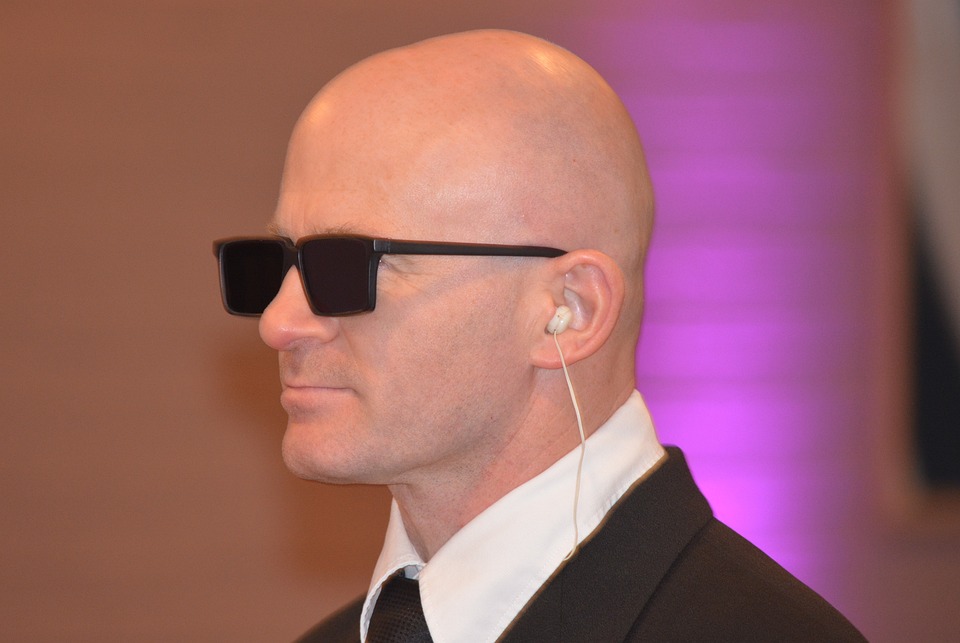
The primary goal of security at a corporate function is to maintain order and protect assets (both human and intellectual property) without the security personnel being perceived as a threat or an intrusion. This approach requires guards who understand the etiquette of a corporate environment and are trained to monitor and react subtly, avoiding the overt posture typical of public-facing security roles. Uniforms, for example, should often be subtle or even plain clothes that match the event’s dress code, such as dark suits.
Effective discreet security means anticipating risks and intervening preemptively, often through non-verbal cues or quiet, one-to-one communication, before a problem escalates publicly. Your security team should be positioned to cover angles and bottlenecks rather than occupying central positions where they obstruct views or conversations. This philosophy shifts the security focus from visible deterrence to quiet assurance.
Furthermore, all security staff should be briefed on the event schedule, key speakers, and VIP attendees, allowing them to perform targeted surveillance and provide appropriate personal security without constant visible communication. This deep situational awareness is what allows them to move and operate efficiently in the background, ensuring all necessary protections are in place without drawing undue attention to themselves.
Strategic Low-Profile Guard Positioning
Achieving true discretion relies heavily on where security personnel are physically placed throughout the event space. Guards should not stand directly in open doorways or at the foot of podiums; instead, they should be integrated into the architecture of the venue, utilising natural barriers and structures. Positioning a guard near a pillar, beside an ornamental plant, or slightly recessed near a service entrance allows them to observe the room effectively while remaining visually minimal.
When setting up the room, you should designate specific high-risk zones, such as the area immediately surrounding a safe containing sensitive documents or the breakout rooms where private deals are being discussed. These areas require continuous coverage, but the guards assigned must be rotated frequently to prevent observers from identifying predictable patterns. During presentations, guards should be placed near the periphery of the audience, focusing their attention on the immediate area around the stage or speaker, rather than facing the audience directly.
For networking periods, positioning guards near bar areas and high-traffic flow paths is important, as these spots often see increased guest movement and interaction, which can lead to minor congestion or accidental incidents. The key is to ensure the guard’s field of vision covers the entire space and all entry/exit points are monitored, but that the guards themselves are viewed as part of the operational staff, rather than a military presence.
Seamless Access Control and Vetting
Managing guest access is a primary security function, but it must be executed without creating long, frustrating queues that delay the start of the event. The goal of seamless access control is to process attendees quickly and professionally, maintaining high security standards while keeping the focus on the welcome, not the vetting. This is often achieved through advanced check-in technology and pre-vetting processes.
Security staff at the entry point should use handheld electronic guest list scanners to verify credentials instantly, avoiding manual list checks that are slow and unprofessional. If physical checks of bags or outerwear are required, they should be performed in a designated, separate screening area that is out of sight from the main entrance lobby. This separation ensures that the main flow of guests is not interrupted by the security process itself.
Furthermore, access checks should extend beyond the main entry to control movement within the venue, especially where VIP areas or restricted speaker lounges exist. Guards at these secondary checkpoints should appear to be concierge or hospitality staff, verifying special wristbands or printed passes quietly as guests approach the area. This low-key approach ensures that speakers and high-value attendees feel protected without the visible barrier of overly formal security checkpoints.

Monitoring Tools and Covert Communication
The effective use of technology is central to achieving discreet security, allowing your team to maintain comprehensive coverage without needing a high number of visibly positioned personnel. Where possible, existing CCTV systems should be monitored continuously from a control room remote from the event space, providing an ‘eye in the sky’ that tracks crowd density and flags potential issues to the floor teams. This technological support allows guards on the floor to remain unobtrusive.
Covert communication is also non-negotiable for low-profile security operations. Security staff should use in-ear listening devices and subtle microphones (or modern communication apps) instead of overt walkie-talkies that create distracting noise and broadcast sensitive information. The communication should be limited to necessary, coded messages that allow for rapid, coordinated response without alerting guests to the developing situation.
Any equipment carried by the guards, such as first aid kits or tactical gear, should be concealed in discreet pouches or messenger bags that look like standard corporate accessories. This level of planning ensures that the security function is highly prepared to handle emergencies, but remains invisible unless actively needed. The fusion of technology and subtle presence maximises protection while minimising visual intrusion.
Protecting Presentations and Key Speakers
The podium or presentation area represents the highest risk zone at any corporate event, as it concentrates high-value assets (speakers, sensitive data) in one exposed location. Security planning for this area must focus on controlling the environment immediately surrounding the speaker without creating a visible barrier between the presenter and the audience. This requires pre-event sweeps and controlling access to the backstage and stage areas.
Two guards should be assigned specifically to the speaker’s immediate personal security, with one positioned backstage or near the wing to manage movement onto and off the stage, and the second guard integrated into the front row or side aisle. The guard in the audience should look like a member of the event team, watching the audience’s behaviour and the approach routes to the stage. They are the primary respondent for any immediate threat.
Furthermore, the protection of the presentation material itself—the laptop, projector, and sensitive data—is paramount. Security should supervise the setup and teardown of all audiovisual equipment, ensuring no unauthorised devices are connected and that all data is securely wiped or removed immediately after the presentation concludes. This protects intellectual property, which is often a critical asset at corporate gatherings.

Establishing Seamless Event Safety and Expertise
When planning for your event, remember that the quality of your security should be defined by the absence of disruption, not the visibility of guards. By focusing on discreet corporate guard placement, you achieve high security while ensuring a comfortable, professional atmosphere. Selecting experts for private event security hire ensures you receive high-calibre personnel.
Choosing providers who specialise in hire manned guarding services ensures the guards are professional and well-trained for complex corporate environments. For a consultation on commercial security guard services that are both effective and completely unobtrusive, contact Adler Security today for assistance.
Contact us now!