
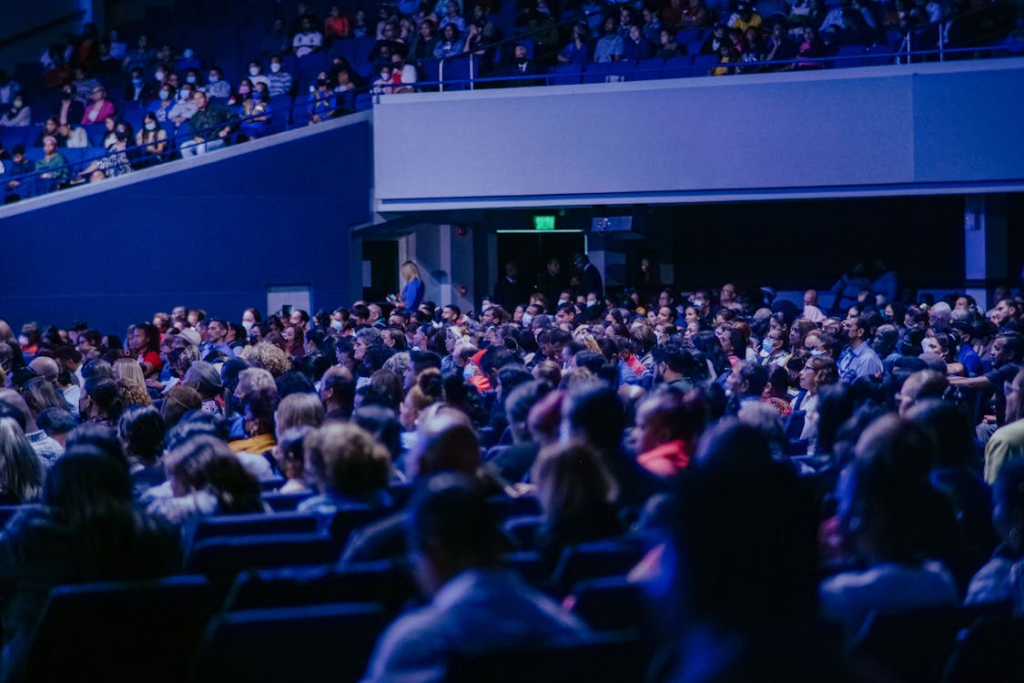
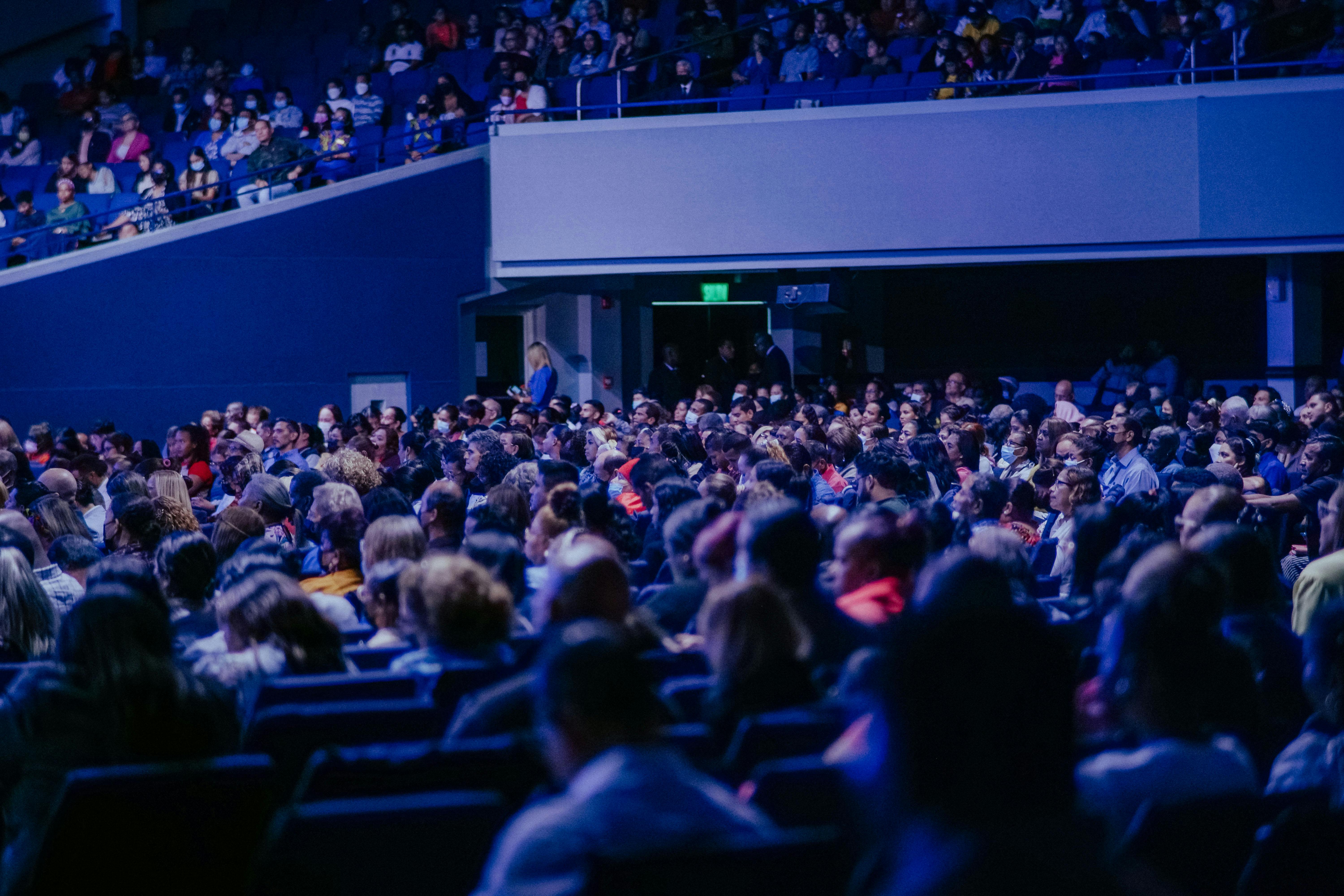
With the number of large-scale events and public gatherings on the rise, event security such as crowd safety has quickly become a top concern. From high-energy concerts to formal corporate functions, ensuring a secure environment takes more than just visible guards on-site.
It calls for clear planning, a detailed event risk assessment, trained security staff, and dependable professional CCTV monitoring tools working together.
This guide breaks down the essential steps and services you need to create a solid event security strategy—so your event runs safely from start to finish.
1. Start With a Detailed Event Risk Assessment Security
Event security starts well before the event day. A comprehensive risk assessment should be your first step—ideally 4 to 6 weeks in advance—to identify all possible threats and vulnerabilities.
Ask critical questions such as:
- What’s the expected crowd size and demographic?
- Are there elevated risks due to the nature of the event? (e.g., controversial speakers, political gatherings, high-value items on display)
- Will alcohol be served or consumed?
- Is there VIP presence requiring special protection?
- Are there nearby hazards such as water bodies, traffic congestion, construction zones, or poor lighting conditions?
A robust event risk assessment security also considers weather forecasts, local crime patterns, and any recent incidents at the venue or in the area.
Pro Tip: Walk through the venue with both your private event security guards and local law enforcement. Their trained eyes can catch red flags—blind spots, exit bottlenecks, or high-risk zones—you might otherwise miss. This collaborative approach ensures your risk mitigation plan is both realistic and comprehensive.
2. Hire Event Security Guards Based on Risk—Not Guesswork
Security staffing is more than a numbers game—it’s a strategy.
Use these commonly recommended ratios as a baseline:
- Low-risk events (no alcohol, seated guests): 1 guard per 100 attendees
- Moderate-risk events (music, light alcohol): 1 guard per 50 attendees
- High-risk events (large crowds, alcohol, VIPs): 1 guard per 25 attendees
But beyond the numbers, ensure role diversity within your team:
- Static guards for entry points and exits

- Roving patrols for crowd surveillance
- Bag-check teams at entrances
- Incident response officers trained in de-escalation
- First aiders or medical staff, if not covered by your venue or vendor
Always keep additional personnel on standby. Crowds can swell unexpectedly, and having backup ensures continuous coverage and flexibility in response.
3. Focus on Crowd Control Security Services Before Entry Begins
Chaos at the gate sets a bad tone for the entire event. If guests feel confused, irritated, or unsafe before entering, your event can spiral quickly.
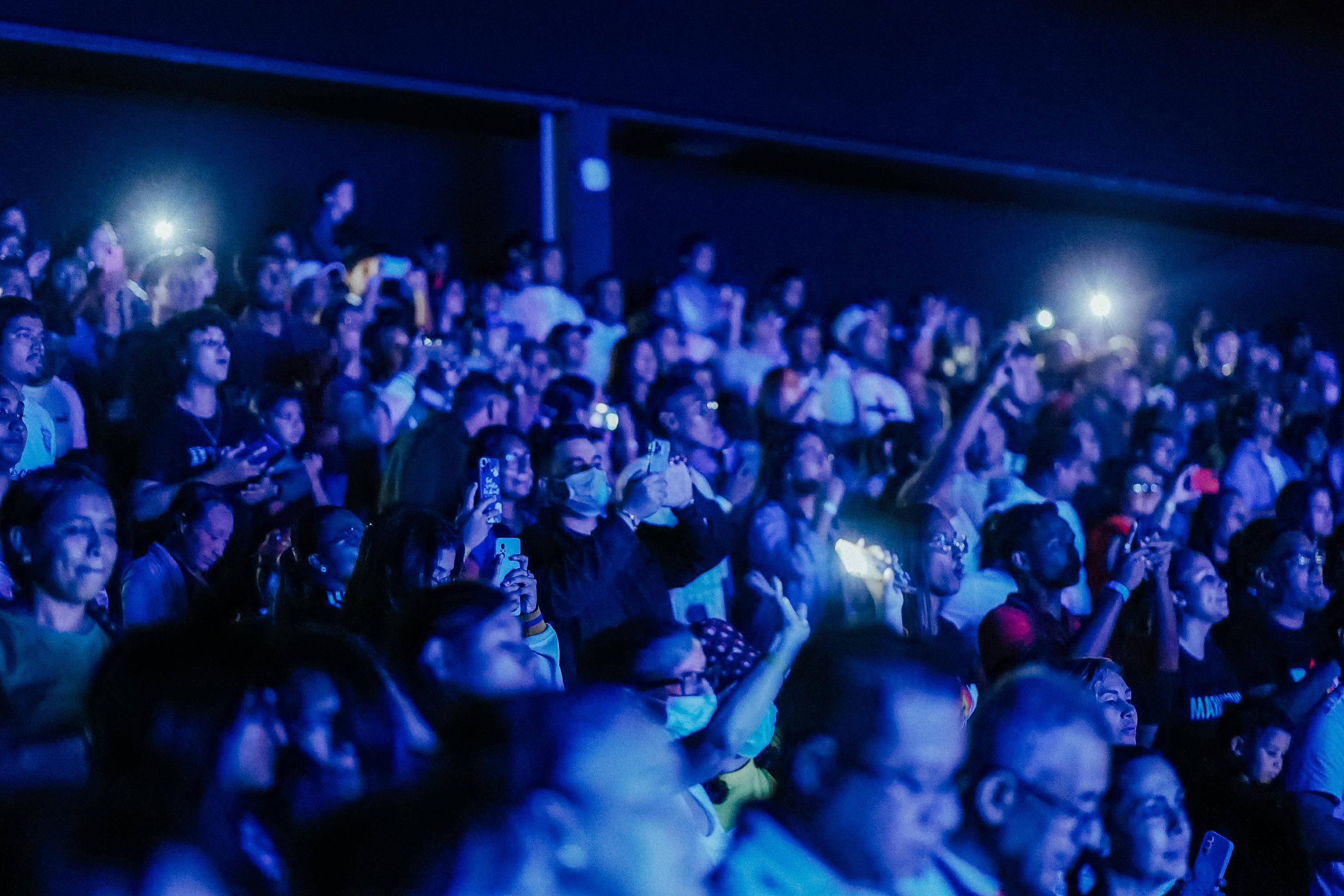
Implement a layered crowd control plan that includes:
- Clearly marked queue lanes with signage to guide different ticket types or entry requirements

- Physical barriers to control flow, separate restricted zones, and prevent crowd surges
- Well-trained ushers or greeters to provide directions and calm anxieties
- Staggered entry times for large-scale events to reduce bottlenecks
- Bag and ID check stations placed strategically to allow quick but thorough screenings
Don’t forget: High-traffic zones like bathrooms, food stalls, and smoking areas also need supervision. These are common hotspots for disputes or overcrowding.
4. Use Professional CCTV Monitoring for Real-Time Threat Detection
Even with security guards on the ground, they can’t be everywhere at once. Live-monitored CCTV acts as your extra set of eyes.
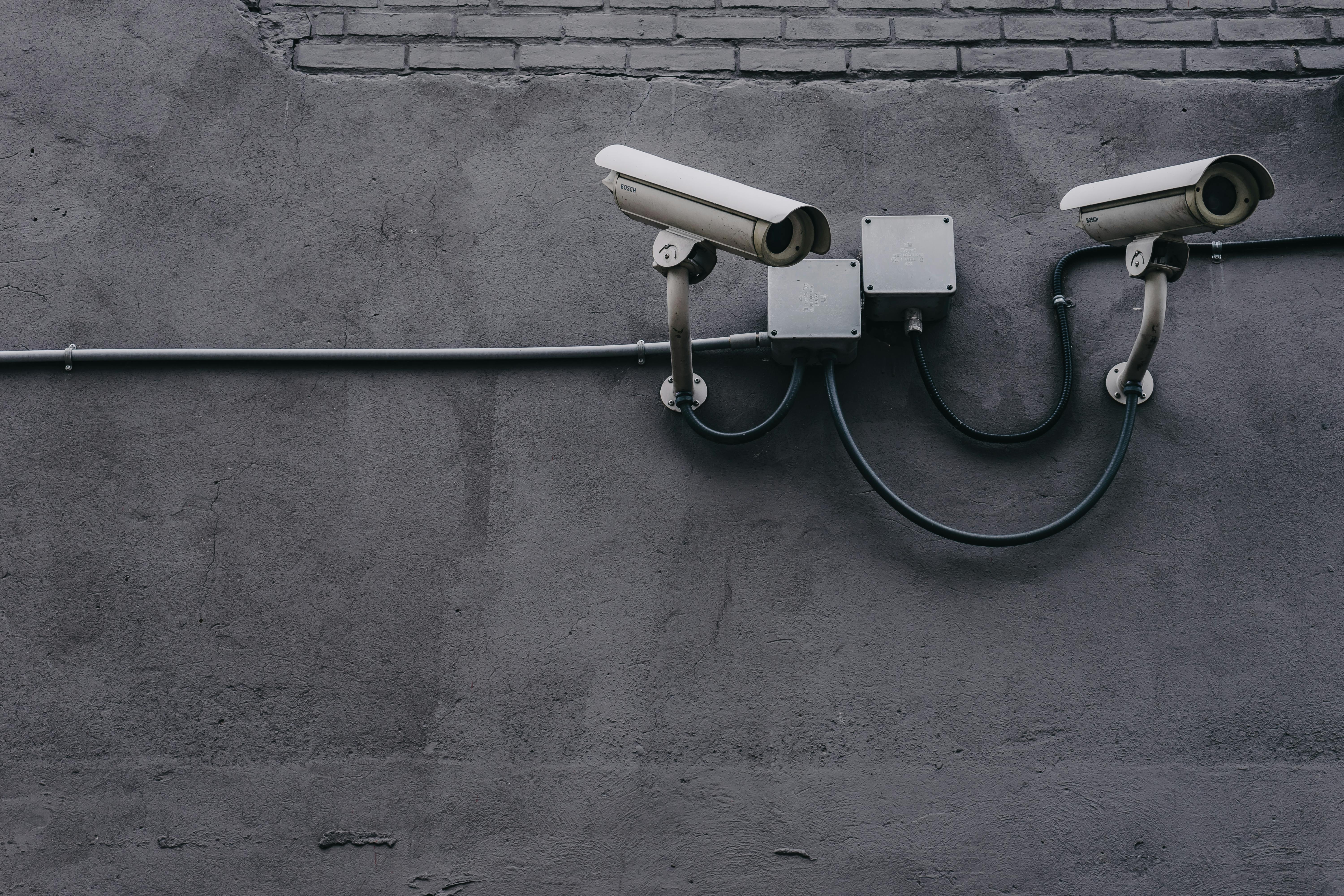
Strategically position cameras at:
- Entry and exit points
- Parking lots and drop-off zones
- Bars, stages, or performance areas
- VIP lounges and staff-only areas
- Around the perimeter fencing
Modern professional CCTV monitoring systems offer real-time alerts, AI-driven motion detection, and remote monitoring, giving your team a major edge in catching issues before they escalate.
Additionally, footage serves as crucial evidence in case of theft, accidents, or misconduct—both for internal review and potential legal use.
5. Secure the Doors With Event Door Supervisor Services
Doors aren’t just access points—they’re your control zones. Door supervisors (also known as bouncers or gate guards) play a frontline role in keeping your event secure and orderly.
These door supervision services go beyond basic entry:
- Verifying tickets and guest lists
- Checking IDs for age-restricted areas or alcohol access
- Monitoring for intoxication or aggressive behavior
- Managing re-entry wristbands or stamp validations
- Refusing entry to banned or previously ejected individuals
These professionals are trained to de-escalate tense situations and make quick decisions that can prevent major disruptions. For events with VIPs or performers, door supervisors also help maintain a clear perimeter.
6. Don’t Overlook the Perimeter—Hire Manned Guarding Services
Perimeter breaches are one of the most common causes of event security failures. People may try to sneak in, vendors may overstep bounds, or bystanders could interfere.
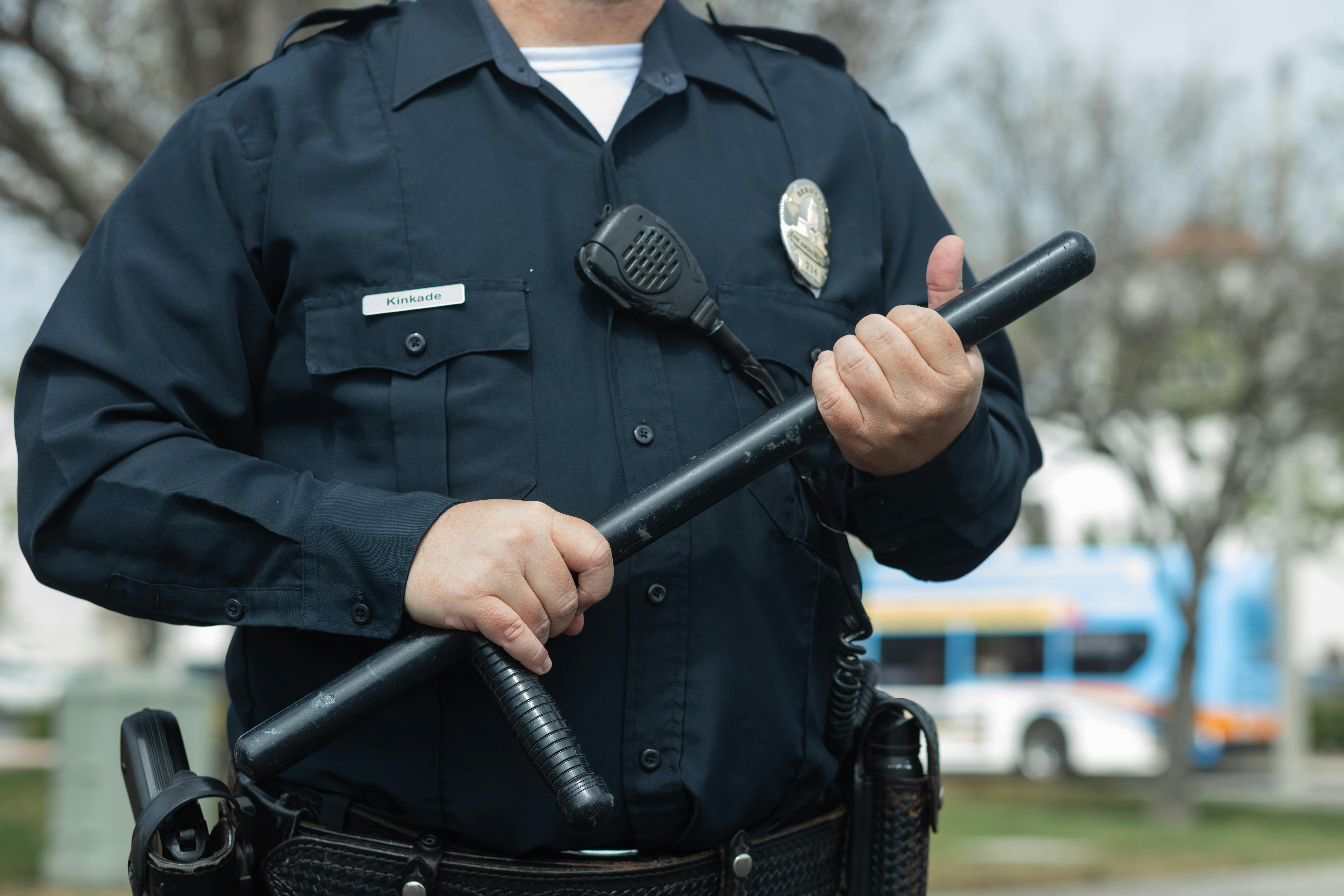
- Manned guarding services cover your event’s outer edge, providing:
- Foot patrols around parking areas, back entrances, and delivery points
- Monitoring of emergency exits to prevent tampering or unauthorized use
- Contractor/vendor supervision during setup and teardown
- Real-time communication with internal security teams
They also serve a key function during evacuations, ensuring safe and orderly exits while keeping emergency routes clear. Having these guards in place can mean the difference between a contained incident and a chaotic one.
7. Communicate With Guests—and Your Own Team
Security isn’t just about visibility—it’s about coordination. Guests should feel informed, and your team should function like a well-oiled machine.
Your attendees should always know:
- Where to find help or first aid
- What to do if something goes wrong
How to report suspicious activity or lost items
Meanwhile, your security staff should be equipped with:
- Two-way radios or encrypted walkie-talkies
- Team briefings before the event begins
- Designated team leads assigned to zones
- Escalation protocols in case of major incidents (like fights, fire, or medical emergencies)
Tip: Consider placing signs with QR codes linking to emergency maps or contact info. Also, run dry drills with staff to rehearse how they’ll respond in various situations—especially if your event involves kids, alcohol, or high volumes.
Monitor, Don’t Just Record
Installing CCTV is a great start. But without live monitoring, you’re only gathering evidence after the fact. Professional CCTV monitoring ensures that someone is watching your feeds in real time—ready to alert guards or dispatch emergency services if needed.

Monitor:
- Entrances and exits
- VIP sections
- Crowd flow areas
- Bar and concession stands
- Staff-only zones
Live monitoring bridges the gap between passive systems and active intervention.
Build Flexibility into Your Security Plan
Events are fluid. Last-minute guest list changes, performer delays, or weather disruptions can all shift the risk profile. Your event security strategy needs to adapt on the fly.
Hold a pre-event briefing and a post-event debrief with your team. Make space for feedback. What worked? What needs adjusting? This not only strengthens your current event—it also improves security for the next one.
Consult Adler Security For High-Level Event Security
When it comes to protecting your event, Adler Security delivers far more than just guards. Our trained professionals provide full event security strategy support—from detailed risk assessments and entry management to crowd control security services and professional CCTV monitoring. We help you hire event security guards who are trained, alert, and ready to take charge when it matters most. Need door supervisors? Perimeter patrols? On-call emergency staff? We handle it all—so you can focus on the event while we keep it safe.
Contact Adler Security today to build a foolproof security plan that fits your event and your venue.